
How to Plan a Weekly Food Shop
Planning a weekly food shop can feel like a big task, especially if you are doing it for the first time or managing it without family support. Food shopping is also one of the places where money disappears quickly, and it is easy to feel overwhelmed by choice, prices, and pressure to “eat well”.
For many people, food shopping is also sensory heavy. Shops can be busy, noisy, brightly lit, and emotionally draining.
You are not doing anything wrong if this feels hard.
This guide is here to help you plan your food shop in a way that feels calmer, cheaper, and more manageable - without needing to be perfect.

The pressure around food shopping is real
Online, food shopping often looks effortless. Perfect baskets, luxury ingredients, colourful meal prep, and expensive brands are shown as the norm.
Real life looks different.
Most young people shop in budget supermarkets, buy basics, choose frozen or tinned food, and go for whatever is cheapest that week. That is normal, practical, and sensible.
Your food shop does not need to impress anyone.
It needs to support you where you are right now.
Why a simple weekly plan helps
A weekly plan does not need to be detailed or strict to be useful.
Even a loose plan can help you:
spend less money
avoid last-minute takeaways
reduce food waste
make cooking feel easier
support yourself on low-energy days
Think of planning as support, not restriction.
Steps to planning your food shop
Planning your food shop does not need to be complicated or perfect. The steps below are here to give you gentle structure, not a strict routine.
You do not need to follow every step or do them in order. Open only what feels useful today, and skip the rest. Even one small step can make your shop feel calmer and more manageable.
-
This is often the easiest and most overlooked step.
Before you plan anything new, take a moment to check what is already in your home. Look in your fridge, freezer, and cupboards. You might notice food you forgot about or items that need using soon.
Even writing down two or three things you already have can help your plan take shape and stop you buying duplicates.
-
You do not need to plan breakfast, lunch, and dinner for the whole week.
Choosing just two or three simple meals is enough. These can be repeated, mixed, or adapted depending on how your week goes.
Affordable, flexible options might include pasta and sauce, rice bowls, soup and bread, wraps, omelettes with potatoes, or a chilli that lasts more than one day.
The goal is to match your meals to your energy, not to what looks impressive online.
-
A helpful question is: What will this week actually feel like?
You might want to think about whether you will be tired after work, have appointments, get home late, or need grab-and-go food. Sensory needs and low motivation days matter too.
Planning around your real life helps avoid buying food that never gets used.
-
Food shops are not just about main meals.
Basics like bread, wraps, cereal, oats, fruit, frozen veg, milk, yoghurt, beans, potatoes, microwave rice, and tinned soup all support day-to-day eating.
Snacks matter too. They help keep your energy steady and make it easier to eat regularly. There is no such thing as “good” or “bad” food here — only food that supports you in different ways.
-
Budget supermarkets like Aldi, Lidl, and Asda often have the cheapest ingredients. Many basic ranges are made in the same factories as branded foods.
High-end shops are not required to eat well.
Choosing the cheapest option is not a failure.
It is a sensible response to real life. -
Your shopping list does not need to be long or detailed. Short lists are often easier to follow and reduce impulse spending.
Some people prefer writing lists on paper. Others like notes apps, screenshots, or colour-coding. If you are neurodivergent, visual or simple formats can be especially helpful.
Do what works for your brain - not what you think you “should” use.
-
Many people have foods that always feel reliable, especially if they are autistic, sensory sensitive, or dealing with anxiety.
Including your safe foods in every shop makes eating easier and reduces stress. These might be things like toast, soup, pasta, yoghurt, certain fruits, cereal, or specific frozen foods.
Your food shop should include food you trust.
-
Even with the best intentions, some days will be harder than others.
Including one or two very easy meals means you are still supported when your energy drops. This could be soup and toast, noodles, microwave rice with frozen veg, wraps with whatever is left, or cereal.
Backup meals are not giving up.
They are planning kindly.
A note on logistics and getting food home
Before you finalise your list, it can help to think about the practical side of shopping.
How you get to the shop matters. If you drive, you may be able to do one bigger shop. If you rely on public transport or walking, carrying heavy bags can quickly become overwhelming, so smaller shops or lighter items may work better.
Food delivery can be a helpful option, especially if leaving the house is difficult. It can save energy and reduce stress, but it can also cost more once delivery fees and substitutions are added. Some people choose a mix, using delivery for heavier items and topping up in person when they can.
There is no right way to do this. The best option is the one that works with your transport, energy, and budget at the time.
Planning a weekly food shop
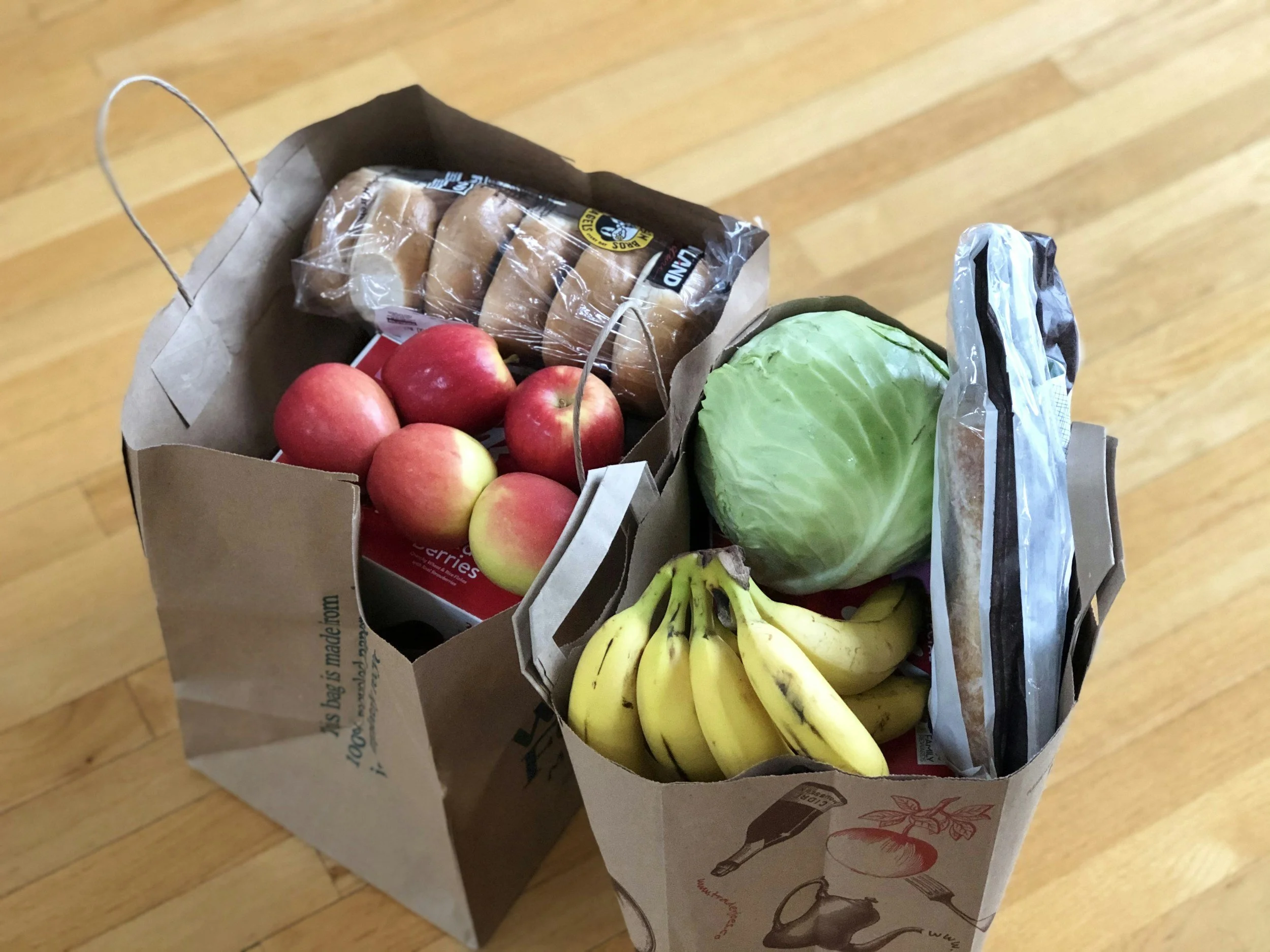
You can use the ideas shared earlier, or download the blank planning template below to create your own list.
The list under each section is there to guide you, not to be completed perfectly.
Click on each section to explore the points in more detail, and take only what feels useful today:
-
Check your fridge, freezer, and cupboard
Write down what you already have
Choose two or three simple meals
Add snacks and everyday basics
Plan around your real energy levels
Write a short shopping list
-
Stick to your list where possible
Compare basics with branded items
Use frozen and long-life foods for better ‘shelf life’
Choose cheaper swaps if you need to
Avoid shopping when very tired or hungry
-
Store food where it is easy to see and reach
Freeze anything you won’t use soon
Keep quick meals visible for busy days
Give yourself credit for feeding yourself
Everything counts.
Every meal matters.
Download the planning template (optional)
If it helps, you can use the blank planning template below to write your own shopping list and meal ideas.
You don’t need to fill in every section. You can keep it simple, change it, or use it differently each week. This template is here to support how you live and shop - not to set rules.
Download it, screenshot it, or ignore it.
Use it in whatever way works best for you.
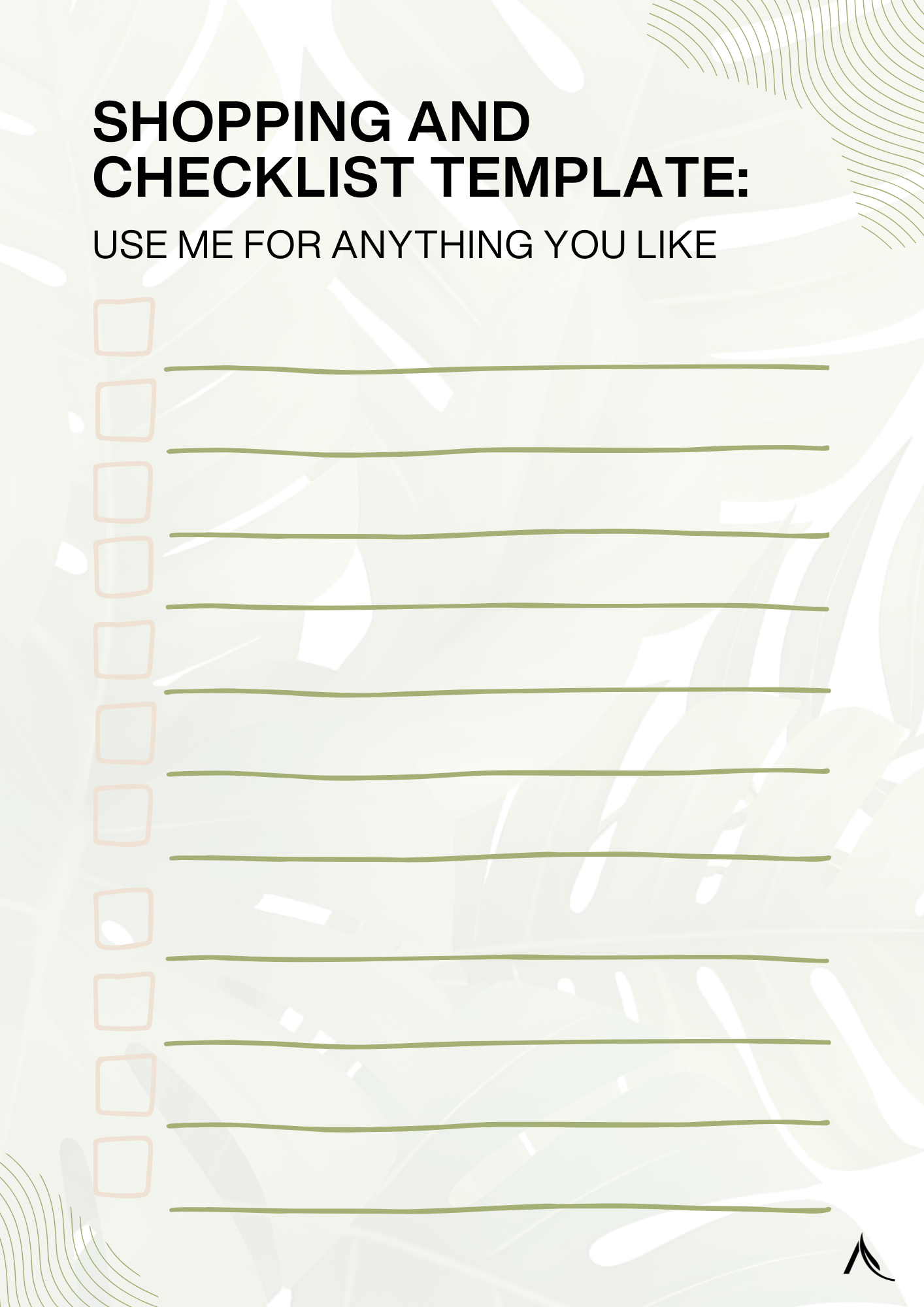
Save this image, or download as a PDF here
Reflective moment
If food shopping makes you anxious, you are not alone. Many young people grew up without being taught how to plan meals or shop confidently. Some experienced food insecurity or had food controlled by others.
Learning this now is not a failure.
It is a step towards independence, safety, and self-care.
Conclusion

Planning a weekly food shop can give you stability without adding pressure.
You do not need a perfect plan. A short list and a few easy meals can support your week and help your money go further.
You can return to this guide whenever you need clarity or calm.