
Batch (Bulk) Cooking Basics
Batch cooking (sometimes called bulk cooking) means making a little extra food so you have something ready for later. It is not about being organised, skilled, or confident in the kitchen. It is about making everyday life easier, especially on weeks when money is tight or your energy is low.
For many people, particularly those who grew up in care or without consistent support, cooking every day can feel overwhelming. Starting from scratch each evening takes time and focus that is not always available.
Batch cooking gives you a safety net. It means future you does not have to make decisions, cook, or cope on days when things feel hard.
Below are two short stories (names changed for safeguarding), followed by gentle, practical steps you can explore at your own pace.
Story 1: Alicia’s Sunday pots
Alicia, 18, had just moved into her first flat. She felt proud, but also exhausted. Between work, appointments, and learning how bills worked, cooking every evening felt like too much.
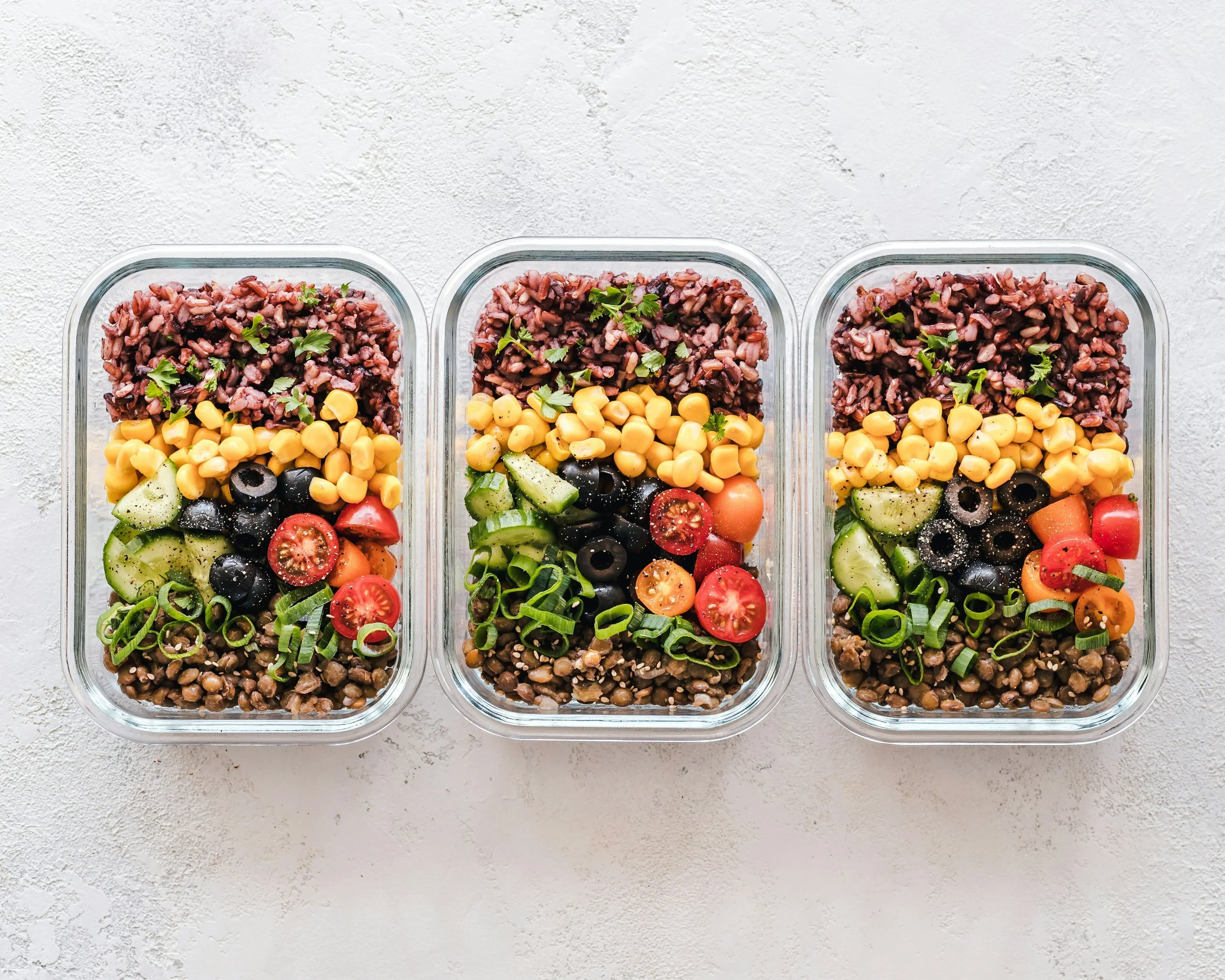
One Sunday afternoon, she decided to try making a bigger meal. She cooked a large pot of pasta with vegetables and sauce. It took around twenty minutes. She split it into four containers and put them in the fridge.
That week, after long days, she felt relieved knowing food was already there. She didn’t have to think or start again. Having meals ready made her feel capable instead of stressed.
For Alicia, batch cooking became a small but important way to feel more in control of her new independence.
Story 2: Samir and low-energy freezer meals
Samir, 23, found cooking difficult because of sensory overload. The noise of chopping, hot pans, and bright lights made the kitchen feel overwhelming. Cooking from scratch every day left him drained.
His support worker suggested batch cooking once a week, on a day when he had a bit more energy. Samir made a large pot of chilli using frozen onions, frozen vegetables, and tinned tomatoes, which meant less chopping and fewer smells.
He froze the chilli in small tubs. On days when cooking felt impossible, he could microwave a meal in minutes.
Batch cooking helped Samir eat more regularly without triggering sensory stress.
Why batch cooking helps
Batch cooking can be especially helpful if you:
Have a busy or unpredictable schedule
Struggle with motivation, burnout, or overwhelm
Want to save money
Prefer routine or predictable meals
Feel safer knowing food is already prepared
Do not have the energy to cook every day
It reduces stress and waste, and it protects you from skipping meals on hard days.
Batch cooking basics
Batch cooking does not need to be done all at once or all the time. The sections below are here to offer gentle structure, not a checklist you must complete.
You can open one section, a few sections, or none at all. Even reading one idea can help future you feel more supported.
-
Simple meals are usually best, especially ones with minimal chopping and clear steps. Pasta dishes, chilli, curry, stew, rice bowls, soups, or roasted vegetables with protein all tend to reheat well.
Choose meals that feel realistic for your energy, not impressive.
-
Budget ingredients are practical and valid. Frozen vegetables, tinned beans, microwave rice, basic pasta, and supermarket own-brand sauces all work well.
Slow cookers and air fryers can also reduce effort if you have access to them.
There is no shame in choosing cheaper options. Many basics are made in the same factories as branded versions.
-
Once food has cooled slightly, divide it into tubs or bowls. If it helps, label them with the date before placing them in the fridge or freezer.
Portioning food makes it easier to remember what you have and stops meals being forgotten.
-
As a general guide, batch-cooked food usually lasts a few days in the fridge and much longer in the freezer.
Always reheat food until it is steaming hot. These small habits help you stay safe as well as fed.
-
You can adapt cooking to suit your senses. Lower lighting, frozen chopped vegetables, music or a podcast, and using timers can all reduce stress.
You are allowed to cook in a way that works for your brain and body.
-
Backup meals reduce pressure and panic. This might be single portions of pasta, tubs of chilli or curry, soup, frozen rice, or even bread stored in the freezer.
Having food ready is a form of support.
-
Batch cooking does not need to look organised or impressive.
One pot is enough.
One extra meal is enough.
One tub in the freezer counts.
Leftovers count as batch cooking.
Small steps still matter.
-
Stackable tubs, clear containers, zip bags, or freezing food flat can help save space and reduce stress.
Use what you already have. Simple systems are often the easiest to maintain.
-
Heat food until it is hot all the way through. Stir halfway if using a microwave. Avoid refreezing food once it has been defrosted.
Freezing food on the same day you cook it helps keep it safe.
-
You do not have to batch cook every week. You can choose a day that fits your routine, make smaller portions when money is tight, or change flavours with sauces or spices.
Batch cooking is here to support you, not pressure you.
Optional visual support:
This short video explains what batch cooking is and why it can save time, energy and money. You don’t need to watch it all - take what helps and skip what doesn’t.
Reflective moment
If you grew up in places where food was uncertain or mealtimes felt stressful, cooking as an adult can feel complicated. Batch cooking is not about being organised or “good” at cooking. It is about creating security.
Knowing that future you will have something to eat, even on hard days, is an act of care.
Feeding yourself is a form of care.
Saving yourself effort later is a form of kindness.
Conclusion
Batch cooking can take pressure off your week, help your money stretch further, and bring more stability to everyday life.
One pot at a time, you build routines that support your wellbeing.