Cooking When You Have No Energy
There are days when cooking feels impossible.
Not hard. Not tiring. Just impossible.
You might feel burnt out, overwhelmed, stressed, or low. You might have used all your energy just getting through the day, leaving nothing spare for food. Many young people, especially those navigating trauma recovery, mental health challenges, or neurodiversity, experience days like this.
This guide is here to support you in those moments with kindness, not pressure.
You deserve to eat even when your energy is low.
And you deserve food that meets you where you are.
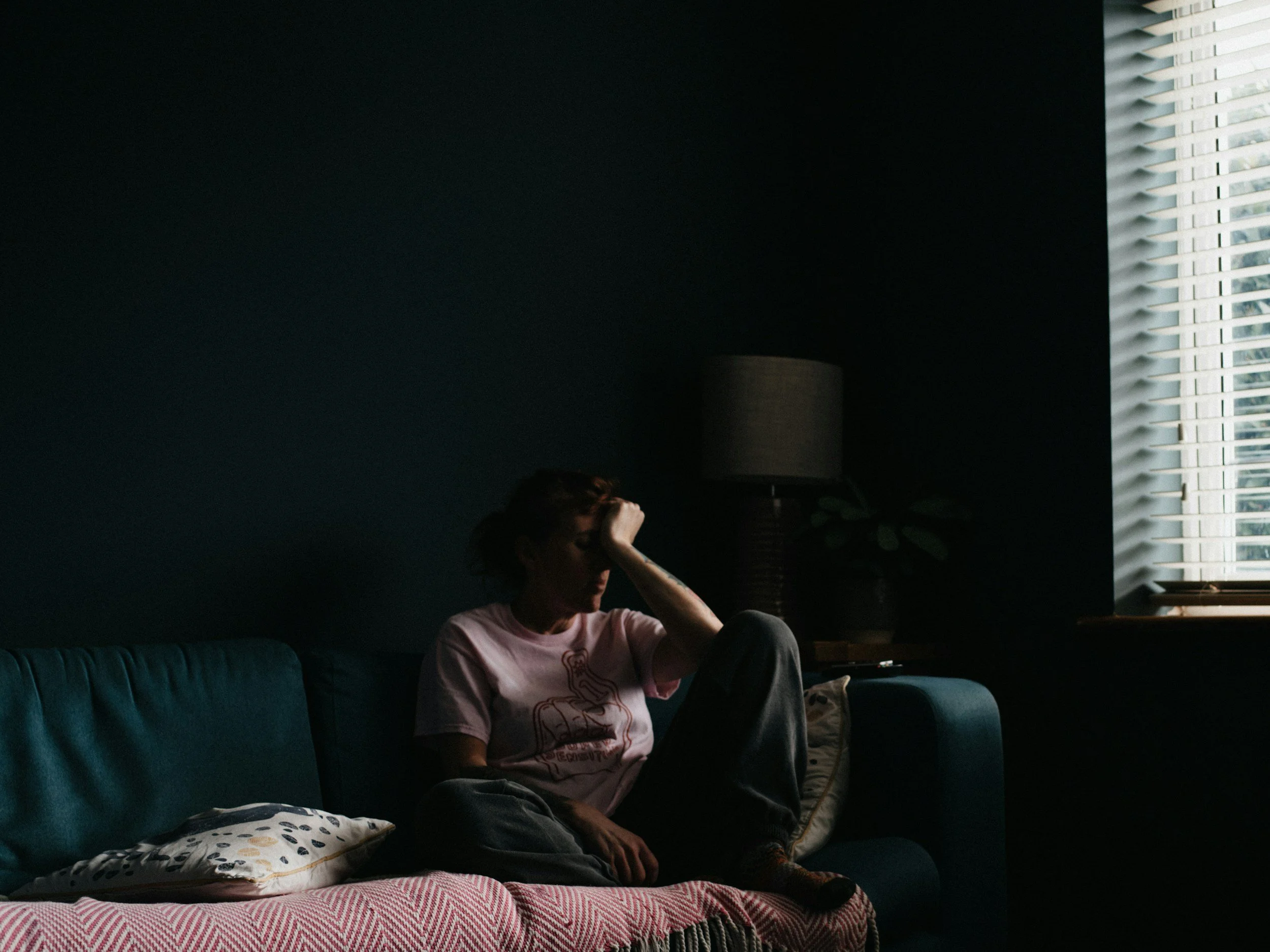
When energy is low, the goal changes
On low-energy days, the goal is not to cook a “proper meal”.
The goal is simply to feed yourself.
Anything you eat counts as care. Eating something small, easy, or repetitive is not failure. It is support. Low-energy cooking is not about doing things from scratch, eating perfectly, or impressing anyone. It is about giving your body fuel when your mind or energy is struggling.
Foods still count on low-energy days
Some foods exist to get you through the day with as little effort as possible. These are not “bad choices”. They are protective choices.
Toast, cereal, yoghurt, fruit, soup, microwave meals, instant noodles, crackers with cheese, frozen meals, or peanut butter on bread all count. These foods help you eat when cooking feels like too much.
You do not need to earn food by having energy first.
Low-energy support ideas
On the days when everything feels heavy, breaking things down can help.
The sections below offer gentle ideas you can open only if and when they feel useful. You do not need to read them all, and you do not need to do everything. One small step is enough.
-
Microwaves and air fryers are not shortcuts. They are accessibility tools. They reduce time, steps, and mental load.
Heating soup, microwave rice with frozen veg, scrambled eggs in a mug, or a wrap with cheese all count as cooking. Fast meals are still meals.
-
If standing feels like too much, it is okay to cook sitting down.
Bringing a chair into the kitchen, sitting near the microwave, or perching by the counter can make eating feel possible again. Cooking does not need to be uncomfortable or exhausting to be valid.
-
Some meals work because they don’t require much thinking.
Pasta with jarred sauce.
A wrap with whatever is available.
Couscous with boiling water.
A potato in the microwave.
Cheese on toast.
Rice and beans.
These meals reduce decision fatigue and still nourish you.
-
Leftovers and frozen portions exist to support future low-energy days.
Frozen soup, leftover pasta, frozen rice, or sliced frozen bread can feel like a small kindness from a version of you who had more capacity. Using them is not laziness. It is self-support.
-
If cooking overwhelms your senses, small changes can help.
Lower lighting, wearing headphones, opening a window, or choosing quiet foods with no frying or sizzling can make a big difference. Frozen or tinned ingredients reduce smells, noise, and chopping.
Cooking should feel safe, not overstimulating.
A gentle reminder about eating early
Low energy often lowers appetite, which can make eating feel even harder.
Eating something small before you feel faint or shaky can help bring a little energy back. A banana, toast, yoghurt, a cereal bar, a handful of nuts, or even a biscuit with tea is enough to start.
Something is always better than nothing.
When to ask for support

If eating regularly feels hard, you do not have to handle it alone.
Support might look like messaging a friend, telling a support worker, asking a PA for help, or having someone stay on the phone with you while you make food.
Needing support around eating is not weakness. It is honesty.
Reflective moment
If cooking feels impossible, you are not failing.
Some days, surviving takes all the energy you have. Many young people did not grow up in places where cooking felt safe or predictable. Others are living with burnout, depression, anxiety, or sensory overload. Feeding yourself on these days is an act of strength.
Small meals still count.
Convenience food still counts.
Leftovers still count.
You still count.
lasting thoughts

Cooking when you have no energy is not about effort. It is about kindness.
Whether you eat toast, soup, something microwaved, or whatever you can manage, you are supporting your body in a meaningful way. There is no wrong way to feed yourself on hard days.
Come back to this guide whenever eating feels heavy.
You do not have to do this alone.