
Understanding Food Dates
Food dates can feel confusing, especially when you are learning to cook for yourself or trying to make food stretch when money is tight. Many people worry about wasting food, getting sick, or eating something they think might be “out of date”.
The most important thing to know is this:
Not all food dates mean the same thing.
Some dates exist to protect your health.
Others are about quality and taste.
Once you understand the difference, food decisions feel much less stressful.
The three food dates you’ll see
Most food packaging uses one of the below. Click on them individually to see more details about what they mean.
-
This date is about safety.
Food can be unsafe to eat after this date, even if it looks or smells fine. Bacteria can grow in ways you cannot see.
If a Use By date has passed, the safest option is not to eat the food. The only exception is if it was frozen before the date passed.
-
This date is about quality, not safety.
After this date, food might not taste as good or feel as fresh, but it is often still safe to eat. This is common with cupboard and frozen foods such as bread, pasta, rice, cereal, biscuits, snacks, and frozen items.
This is where you usually have more flexibility.
-
These dates are for shops and stock control.
They are not safety dates.
You can ignore them completely.
When to be strict with dates:
Use By dates matter most on foods that can make you ill if they spoil.
You will usually see them on:
fresh meat and fish
dairy
ready meals
fresh salads and juices
If the date has passed, it is okay to throw the food away without guilt. You are not being wasteful. You are being safe.
When you can be more flexible:
Best Before dates give you more choice.
Food past this date might be slightly stale, less crunchy, or not as fresh, but that does not automatically mean it is unsafe.
This is where your senses can help.
Using your senses safely
Only use this check for foods with a Best Before date:
Start by looking. If you see mould, unusual colour, or strange texture, stop there.
Next, smell the food. If it smells sour, strong, or wrong for that food, do not eat it.
Finally, check the packaging. Swollen packets, slime, or unexpected fizzing are signs to throw the food away.
If anything feels off, trust that instinct.
How long food usually lasts (rough guidance)
These are helpful guides, not strict rules. Click on each location for guidance:
-
cooked food usually lasts a few days
fresh meat lasts one to two days once opened
milk lasts a few days after opening
cheese often lasts much longer if stored well
-
Freezing slows food going off. Food is safe for months, though texture and taste may change.
-
Tinned food, pasta, and rice can last months or even years.
Food does not need to be expensive to last well.
Long-life food is a smart choice
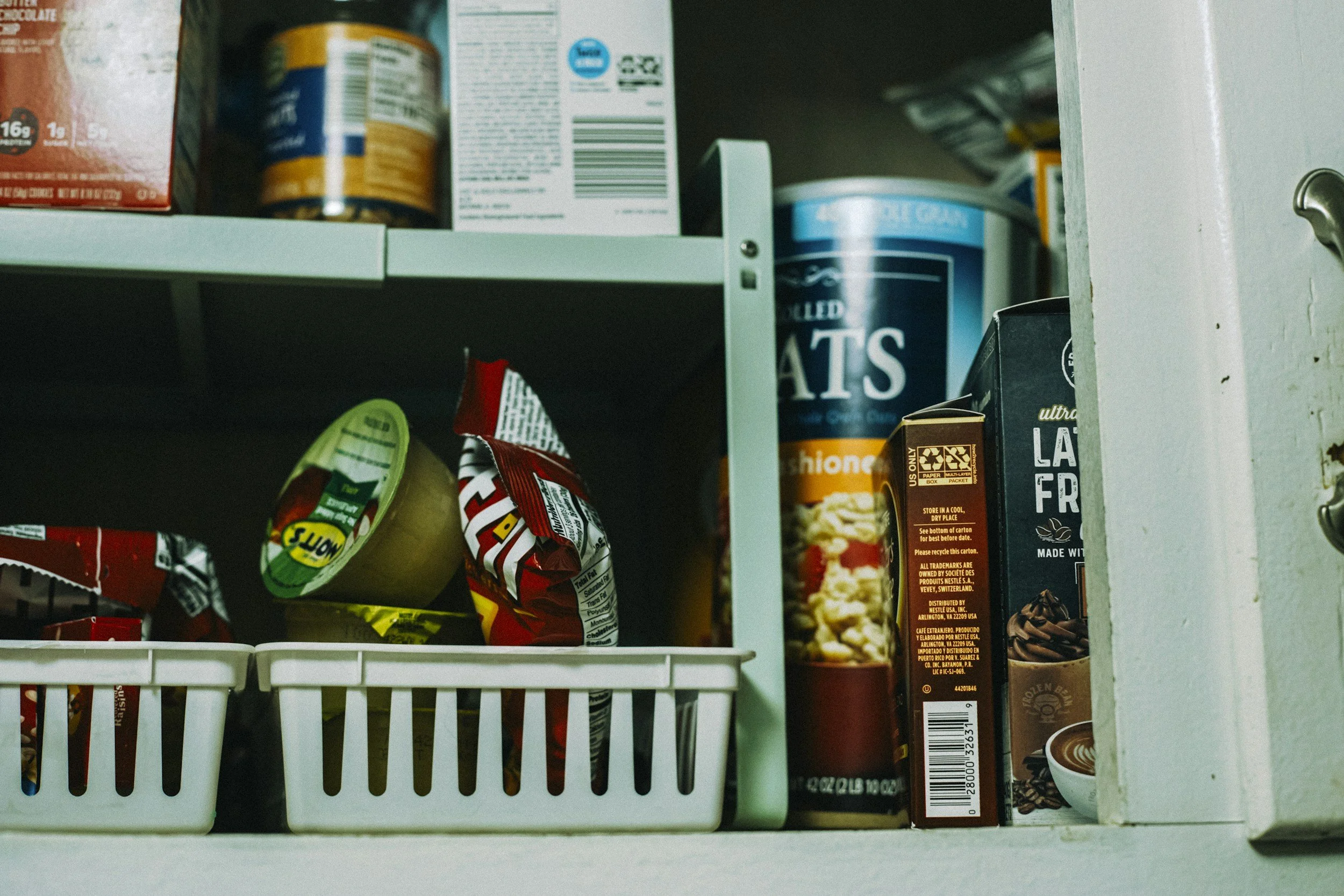
There can be pressure to buy fresh food, but frozen, tinned, and long-life foods are practical, affordable, and reduce waste.
Frozen vegetables and fruit, long-life milk, tinned tomatoes and beans, dried pasta, frozen meat, and supermarket basics are all sensible choices.
Choosing these foods is about stability, not cutting corners.
About “sniff tests”
Your senses are useful, but they are not perfect.
Never rely on smell alone for:
raw chicken
raw fish
milk far past its Use By date
any food with an expired Use By date
These foods can carry harmful bacteria even if they smell fine. When it says Use By, trust the date.
If food goes off quickly
This happens to everyone. Older fridges, warm homes, busy schedules, or simply forgetting what is in the fridge all play a role.
Small habits can help, such as freezing bread in slices, storing meat on the coldest shelf, keeping fruit in drawers, and moving older food to the front so it gets used first.
You do not need to change everything at once. Small changes still count.
A gentle tip if you’re neurodivergent
If you’re neurodivergent, fresh food can go off quickly simply because it’s out of sight. This isn’t carelessness - it’s how object permanence works for many people. One helpful change is to store fresh food where you can easily see it, even if that means using the main shelves of the fridge instead of the drawers. Seeing food regularly makes it easier to remember to use it, and it can reduce waste without needing extra effort or planning. This is about working with your brain, not against it.
If you prefer learning visually, this short video explains food dates in a clear and practical way.
You don’t need to watch the whole thing — take what helps and skip what doesn’t.
Reflective moment
If food felt unpredictable growing up, food dates can bring up anxiety. You might worry about wasting food or about eating something unsafe. Learning to feel confident around food takes time.
You deserve safety around food, you deserve enough to eat and you deserve information that helps you feel steadier, not overwhelmed.
Summary
Food dates are easier once you know what they mean.
Use By is about safety.
Best Before is about quality.
Sell By is for shops, not for you.
Come back to this guide whenever you feel unsure.
You are learning how to look after yourself - and that matters.