
How to Report Repairs and Get Them Sorted
Reporting repairs can feel uncomfortable. You might worry you are being a problem or that someone will blame you. You might even feel nervous speaking up at all. Many care-experienced young people feel like this, especially if you have grown up being told not to make a fuss.
But here is something important…
You are allowed to report repairs, you are allowed to ask for things to be fixed and you deserve a safe, warm home.
This guide explains how repairs work, how to report them and how to get things sorted without stress or fear.

What Counts as a Repair
A repair is anything in your home that is broken, damaged or unsafe. It does not need to be an emergency for it to matter.
Examples include:
heating not working
windows that do not close properly
broken oven or cooker
leaks or damp
electrical problems
broken taps, toilets or showers
mould
loose flooring or carpet
doors that do not lock
pests or infestations
If something is stopping you from living comfortably and safely, it counts.
Reflective moment:
Think back to places you have lived before. Did you ever stay quiet about something because you did not want anyone to be annoyed? It is different now. This is your space, and your comfort matters.
Who Is Responsible for Repairs
This depends on the type of home you live in, but generally:
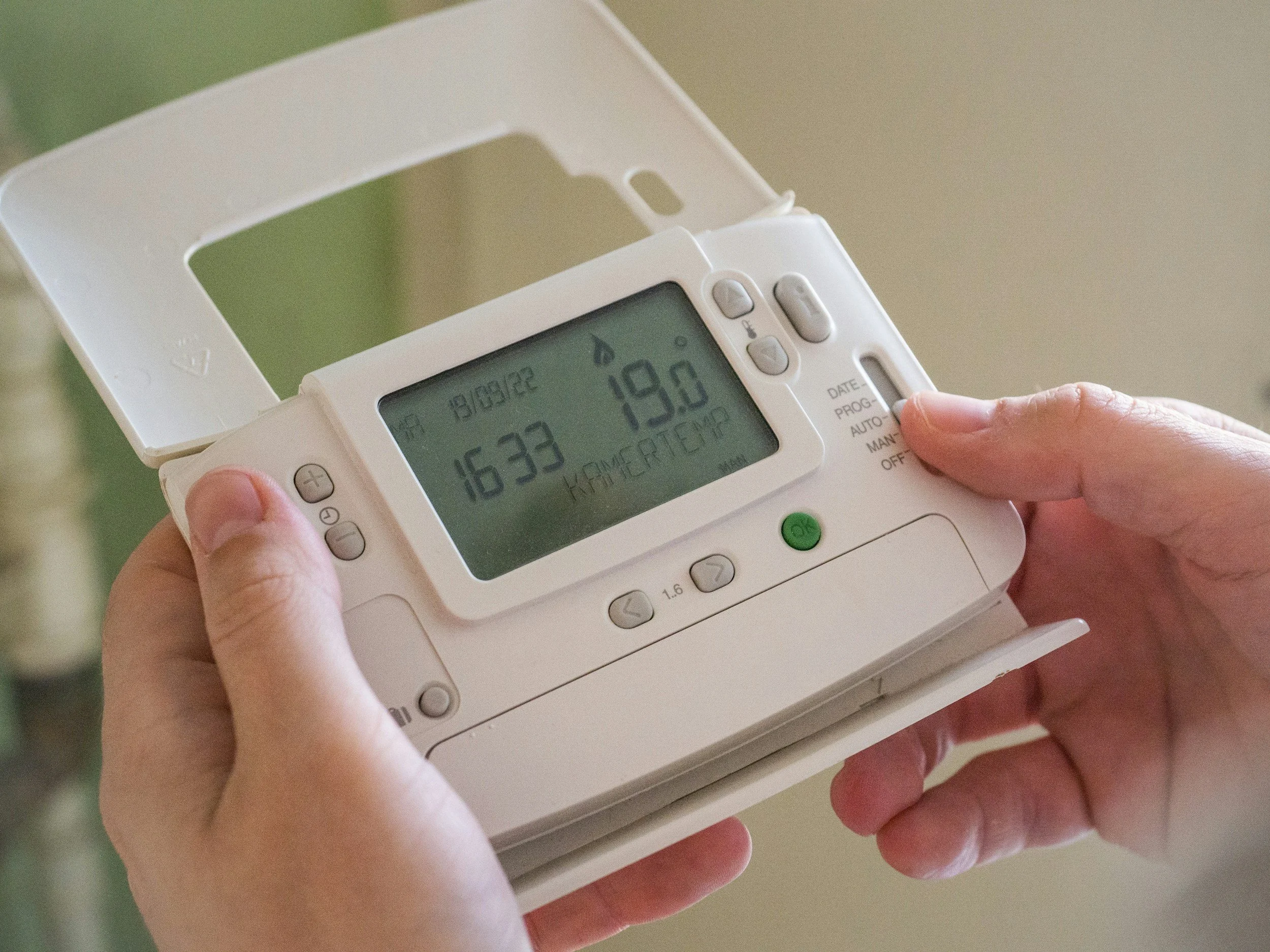
The landlord or housing provider is responsible for:
heating and hot water
electrics
plumbing
structural repairs
windows and external doors
anything that breaks because it is old
damp or mould caused by the building
fire safety equipment
appliances they provided
You are responsible for:
replacing light bulbs
keeping the home clean
unblocking sinks using normal methods
small tasks like changing batteries in smoke alarms they did not provide
damage you cause on purpose
A Note About Responsibility and Accidents
Most repairs are not your fault. Things break with age. They wear out. The building shifts. Appliances break. None of that means you have done anything wrong.
It is important not to damage your home on purpose. That includes things like forcing windows open, breaking locks or trying to fix electrical problems yourself. But accidents happen.
Dropping something.
Cracking something.
Spilling something.
Breaking something without meaning to.
This does not make you a bad tenant. It makes you human.
If you ever break something by accident:
be honest
report it
explain what happened
Most housing providers understand that life happens. Being honest builds trust, and it helps things get fixed faster. Looking after your space includes owning the little mistakes too. That is part of independence.
Types of Repairs

Most landlords and housing providers sort repairs into three groups.
Simply click on the titles to see more details-
-
Anything unsafe or urgent:
no heating or hot water in cold weather
a major leak or flood
strong smell of gas
unsafe electrics
front door cannot lock
serious breakage causing danger
Emergency repairs should be dealt with quickly.
-
Important but not dangerous:
broken oven
minor leaks
bathroom issues
windows that jam or stick
faulty fridge provided by the landlord
-
These can wait but still matter:
loose tiles
cracked cupboards
worn carpet
broken internal doors
Even routine repairs help your home feel comfortable.
How to Report a Repair
You can use this process for council properties, Housing Associations, private landlords and supported accommodation.
Step 1: Contact the Repairs Team
Use whichever method feels easiest:
repairs phone line
repairs email
online repairs form
housing provider app or portal
If you do not know the correct contact, ask your landlord, PA or housing officer.
Step 2: Explain the Problem Clearly
Keep it simple.
Tell them:
what is broken
when you first noticed it
if it is getting worse
how it affects your home or safety
Examples:
“My radiator has stopped working and my room is very cold.”
“The window in my bedroom will not close and it feels unsafe.”
Step 3: Add Photos or Videos
Photos help repair teams understand the problem more quickly.
Send photos of things like:
damp patches
leaks
broken locks
mould
electrical issues
cracks or damage
You do not need to “prove” anything. This just makes things easier for them.
Step 4: Ask for a Reference Number
Most housing providers use repair reference numbers.
These help you follow up later.
If they do not give one automatically, ask:
“Can I have a reference number for this repair so I can check on it if needed”
Step 5: Keep a Note of What You Reported
Write down:
the date you reported the repair
who you spoke to
the reference number
what they said
This protects you if they take a long time to reply.
Step 6: Following Up Without Feeling Awkward
It is okay to chase repairs.
You are not being rude or difficult.
If you have not heard anything after a few days, you can say:
“Hi, I reported a repair on [date]. Do you have an update please”
or
“I am checking on the repair I reported. Can you tell me when someone will be coming out”
That is all you need to say.
You do not need to explain or apologise.
-
Reflective moment:
If chasing makes you nervous, you are not alone. Many young people feel worried about getting in trouble for speaking up. But this is your home. Your comfort matters.
-
Step 7: If They Do Not Respond
If it has been a long time or a repair is being ignored:
contact them again
speak to your PA or support worker
ask your Housing Officer
make a formal complaint if needed
keep photos if the issue gets worse
You are allowed to stand up for yourself. You deserve to feel safe.
Step 8: Safety First
If something seems unsafe:
avoid the area
turn off the electrics at the fuse box if you can
use the emergency repair line
call the gas emergency number if you smell gas (0800 111 999)
Safety always comes first.
Conclusion

Reporting repairs is not about complaining. It is about taking care of yourself and your space.
Every home needs repairs at some point, even homes owned by people with lots of experience.
Speaking up does not make you a burden, and asking for help does not make you difficult.
Keeping yourself warm, safe and comfortable is your right.
Every time you report something or chase something, you are building confidence in looking after your home. You are learning skills that many adults never learned properly.
Take a moment to recognise that.
You are doing something important and you are doing it really well.