
Keeping Your Home Warm Without Big Bills
Winter hits differently when you are living on your own for the first time.
Lots of people grew up in homes where someone showed them how to use the heating, when to put it on and how to keep rooms warm without spending loads. But many care-experienced young people grew up in cold spaces, shared rooms or places where the heating was controlled by someone else.
So when you get your own home, keeping warm becomes more than a practical thing; It becomes emotional too.
Warmth is comfort.
Warmth is safety.
Warmth is a reminder that you deserve to feel looked after.
The good news is that staying warm does not always need big bills. Small, affordable changes really do make a difference. Below is a blog-style guide with suggestions you can use anytime.
Take what helps. Leave anything that does not fit your home. You are learning and doing your best.
Start With You, Not the Whole House
One of the biggest mindset shifts is this.
You do not have to heat the whole house to feel warm.
Sometimes warming up yourself first is the quickest and cheapest option.
Layers, socks, hot drinks. Small things add up.
Quick Tips!
Add layers instead of relying on one thick jumper
Keep cosy socks or slippers near your bed
Use a blanket on the sofa
Have a warm drink before bed
Use a hot water bottle safely (never fill with boiling water)
Reflective moment:
If you grew up in cold homes, your body might associate cold with stress. Staying warm can be grounding- It can help you feel settled.
This is part of self care now.
Warm the Space You Use Most
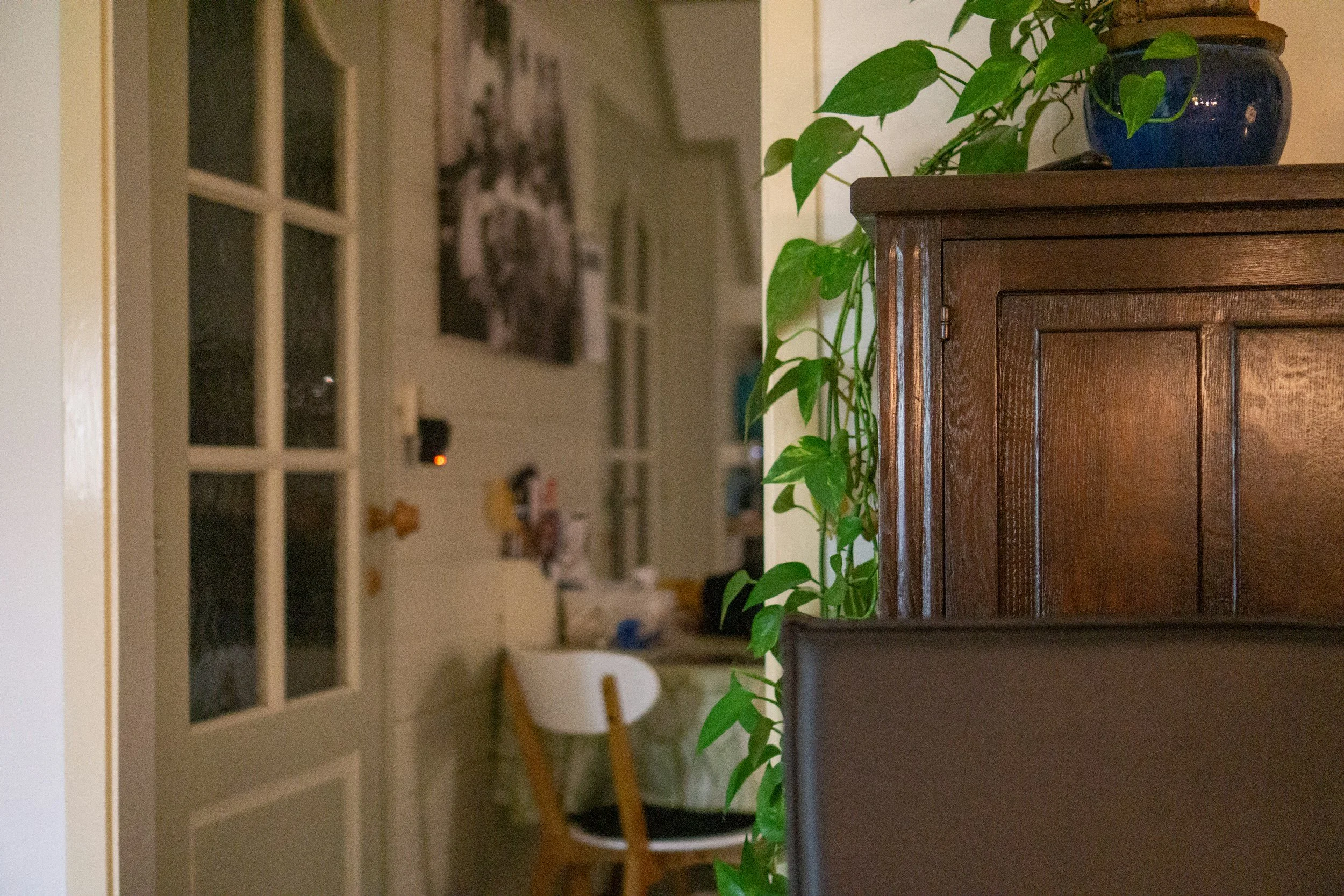
Here is something no one explains… Homes lose heat fast when doors stay open. (Yes, even the internal ones!)
If you close the door to the room you are in, the space warms up quicker and stays warm longer…
Quick Tips for Warming your Space
Close doors to keep heat in
Roll up a towel and place it at the bottom of drafty doors
Open curtains in the daytime for sunlight
Close curtains at night to keep heat in
Move furniture away from radiators so heat can spread
It is not about heating the whole house.
It is about heating the space you live in.
Understanding Your Heating Without Feeling Silly
No one is born knowing how thermostats work and no one magically understands radiator valves.
You learn as you go. There is no shame in that… we all do it!
Useful Tips
Find your heating controls and experiment with them
Check if your radiators have valves you can turn up or down
If there is a timer, use it for short bursts of heat
Keep your thermostat between 18 and 21 degrees if you can
Avoid turning the heating off and on constantly
-
Short bursts of heating can actually be cheaper than long, constant heating.
Naturally every home is different, but you will figure yours out.
Cheap Home Fixes That Make a Big Difference
You do not need expensive insulation to feel warmer.
There are many small things you can do that can make a difference..
Some Ideas to Help…
Put rolled towels under doors to block drafts
Hang thicker curtains (charity shops often have great ones)
Lay rugs on cold floors
Move your bed away from cold external walls
Ask your landlord to fix gaps, drafts or broken windows
Drafts are a repair issue. If the window will not close properly, that is not on you.
You can report it.
Safe Ways to Stay Warm

Some heating methods can be unsafe.
Never use:
ovens
hobs
candles
unvented gas heaters
anything the landlord has not installed properly
These can cause fires or carbon monoxide risks.
Safety Guidance
Use heaters safely and keep space clear around them
Test your smoke alarms monthly
Make sure you have a carbon monoxide alarm if you use gas
Do not dry clothes directly on heaters
Turn heaters off before sleeping
There is never any shame in staying safe.
Use Your Energy Wisely Without Feeling Confused
One thing many people are not told (and something our Founder Beth still actively explains to people despite having not worked in the energy sector for a very long time!):
Your energy payment is not the same as your energy usage.
Your bill might be based on estimates, not what you actually used.
The bill amount they charge will be based on whatever your unit cost is (shown in pence per kilowatt hour, and a standing charge), multiplied by how much energy you use.
Energy Usage Tips
Send regular meter readings if you do not have a smart meter
Heat rooms when you actually need them
Put lids on pans to reduce steam and save heat
Avoid blocking radiators
Open windows briefly after cooking or showering to let steam escape
Understanding your energy slowly is better than pretending you should know everything at once. You are learning and that is enough.
Reach Out If You Need Support
Staying warm is not a luxury. It is a necessity.
If you are struggling with bills:
your PA can help you access fuel support
some charities offer emergency top ups
you might be eligible for a social tariff
energy companies can set up affordable payment plans
councils sometimes provide extra winter support
You deserve help when you need it, and asking does not make you a burden.
Conclusion
Keeping warm is part of looking after yourself.
It does not mean running the heating all day or spending money you do not have… It is about learning small habits that make your home feel safe, cosy and yours.
If you grew up in places where warmth was not guaranteed, this might feel new or emotional. That is completely normal. You are building your own comfort now.
One warm drink, one cosy blanket, one small habit at a time.