
How to Look After Yourself During Stress
Stress happens to everyone. But when you are juggling work, housing, relationships, money, studying, health, or simply trying to get through the week, it can feel relentless.
If you grew up in unpredictable environments or had to be “strong” from a young age, your stress response may switch on quickly. That is not a flaw. It is how your body learned to survive.
This guide offers simple, comforting ways to care for yourself when stress shows up. You do not need to do all of them. One or two is enough.
Sometimes it is easier to watch than read. This video shares straightforward ideas for understanding stress and practical ways to cope when life feels overwhelming. Take what feels useful and leave the rest:
Gentle ways to care for yourself during stress
Stress does not always need big solutions or dramatic changes. Often, it is the small, steady actions that help your body feel safer and more supported.
The ideas below are gentle options you can dip into when things feel overwhelming. You do not need to do them all, and you do not need to do them perfectly. Even one small step can make a difference…
Noticing your early stress signals
Your body often tells you first. This might look like tense shoulders, headaches, stomach knots, irritability, zoning out, or overthinking.
These signs do not mean you are failing.
They are signals that your system needs support.
Breathing in a way that calms your nervous system
Stress makes breathing shallow. Slowing it down helps your body feel safer.
You could try:
breathing in for four seconds, out for six
placing a hand on your chest and breathing slowly until your body softens
You are not trying to feel calm instantly.
You are helping your brain come back to the present..
Making your environment gentler

Small changes can reduce stress quickly, such as:
lowering lights
using headphones or softer music
opening a window
moving to a quieter room
A calmer space can help your mind settle too.
Focus on one tiny task
Stress tells your brain everything must happen now. It does not.
Choose just one thing:
One message
One small tidy
One task
One step towards what is worrying you
One thing is manageable. Everything at once may not be!
Do a sensory reset
Soothing your senses can lower stress without effort.
You might try a warm drink, a blanket, holding something cold, soft fabrics, a familiar scent, or a slow shower. This is about comfort, not fixing anything.
Eating something simple

Stress often affects appetite, but your body still needs fuel.
Simple options are enough:
toast
soup
cereal
yoghurt
a banana
This is not about perfect nutrition, it is about keeping your energy steady.
Move your body gently
You do not need a workout. Small movement helps release stress.
Try stretching for a few seconds, walking around the room, shaking out your hands, or stepping outside briefly.
Talking to someone you trust
You do not need to explain everything.
You could say:
“I’m stressed and need someone around.”
“Can we talk about something random?”
“I need a distraction.”
Connection helps your nervous system regulate.
Reducing incoming pressure
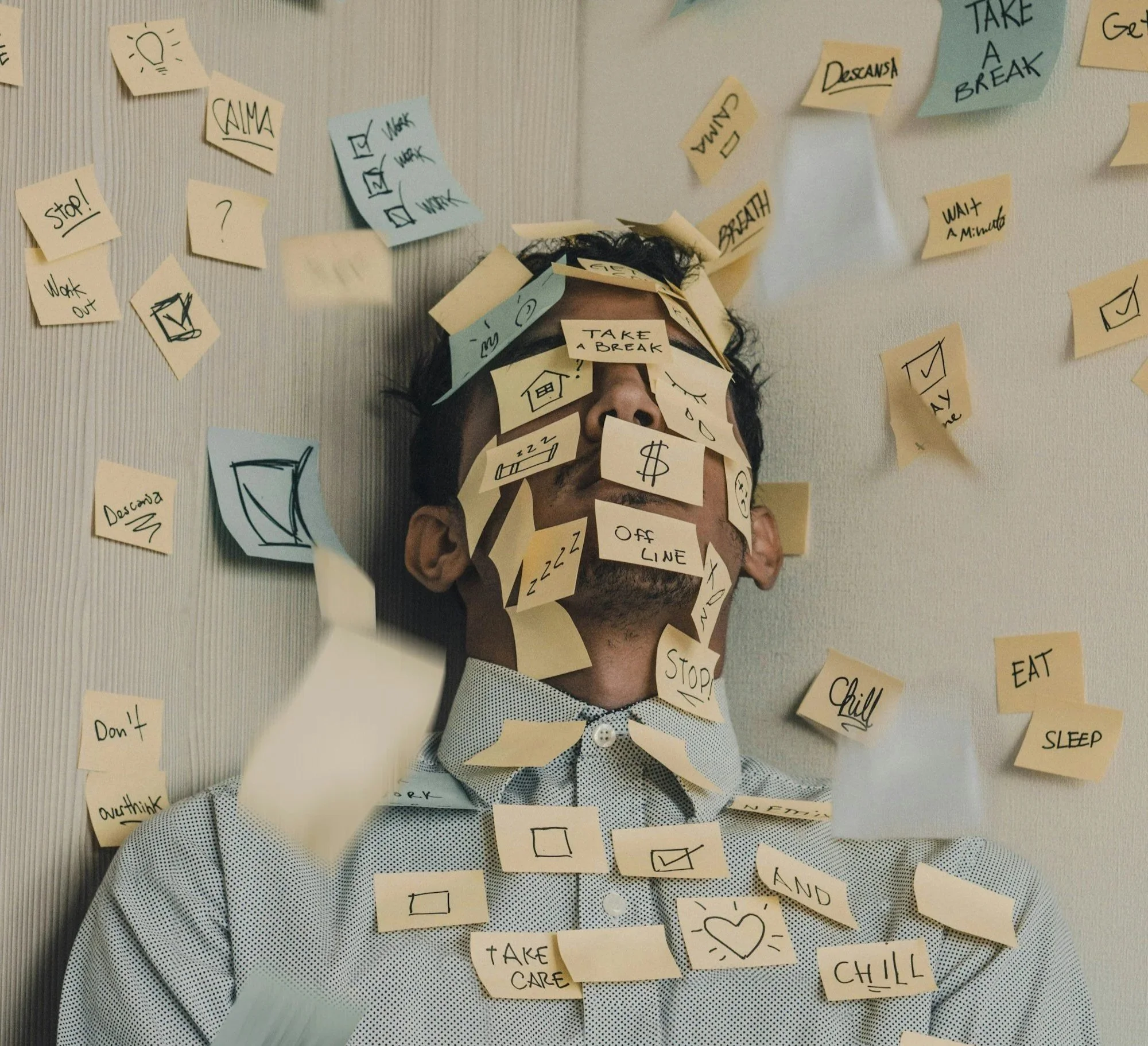
Lower the load where you can. This may include:
Muting busy chats
Postponing non-urgent tasks
Replying tomorrow instead of now
Asking for extra time
Stepping back from arguments
You are allowed to protect your energy.
Reassure yourself gently
Stress often makes your brain jump to the worst case.
Try reminding yourself:
“I can handle this one step at a time.”
“I am safe right now.”
“This feeling will pass.”
“I have been through hard things before.”
Self-reassurance is grounding, not cheesy.
Get extra support if stress becomes overwhelming

If stress is affecting your sleep, health, mood, ability to function, or safety, it is important to reach out.
Support is available through:
Samaritans - 116 123 (free)
Shout (text support)- text SHOUT to 8525
The Mix (for under 25s) - text THEMIX to 85258
Mind - 0300 102 1234 (free)
Refuge (for relationship control or abuse) - 0808 2000 247 (free)
Your PA or support worker
College or university wellbeing services
You do not have to cope alone.
Reflective moment
Struggling with stress does not mean you are weak. It often means you have spent years carrying more than most. Your body learned to stay alert because it had to.
Now, as you build stability, it reacts quickly even to everyday pressure. That is not something wrong with you. It is a sign you survived.
Managing stress is not about being tougher.
It is about giving yourself the care you should have always had.
Closing thoughts

Stress is part of life, but it should not take over your life.
You deserve calm moments, steady routines, and support that helps you breathe easier. You do not need to fix everything today.
One step.
One breath.
One moment at a time.
Your wellbeing matters, and so do you.