
How to Build Healthy Habits
Healthy habits are not about becoming a brand new person overnight.
They are about small choices that make life feel a little steadier and more manageable over time. If you grew up with unpredictable routines, lots of moving around, or no one showing you how habits work, it makes sense if this feels confusing or frustrating.
Healthy habits are not about perfection.
They are about tiny changes that fit your real life.
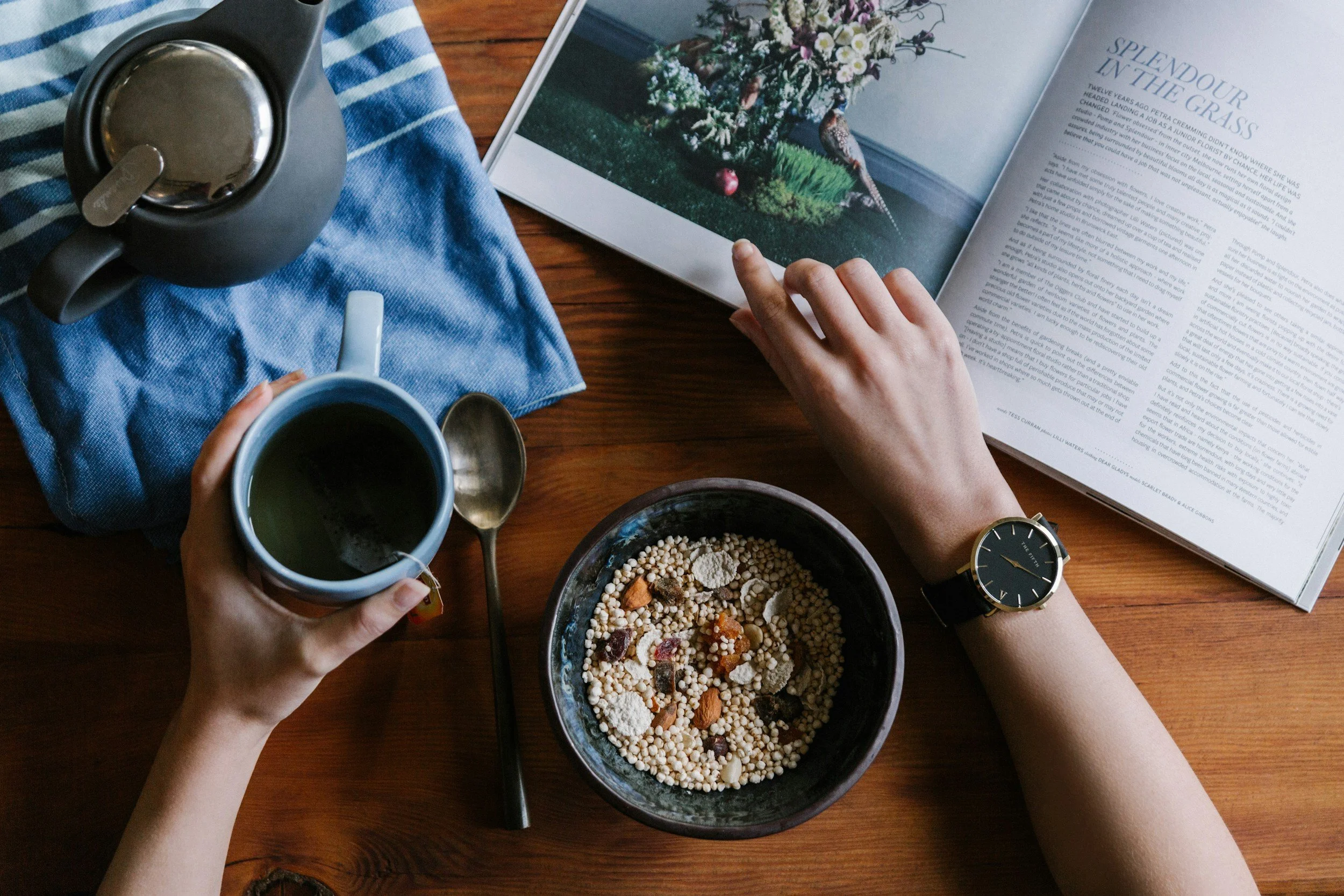
Real-life habit moments you may recognise
The stories below are based on real-life situations many people experience. Names and identifying details have been changed for safeguarding and privacy.
Story 1: Kieran and the mornings that never worked
Kieran, 19, wanted to “wake up earlier”. Every Sunday night he promised himself a 6am start. Every Monday morning, he pressed snooze until 10.
What changed things was realising he did not need to become a morning person. Instead, he focused on making mornings slightly easier. He laid his clothes out the night before, kept a drink by his bed, and moved his alarm just 20 minutes earlier.
Nothing dramatic. Just enough to make mornings less painful.
Story 2: Saffron and remembering to eat
Saffron, 22, often forgot to eat until she felt shaky. She wanted to “eat better” but meal plans and cooking felt overwhelming.
Rather than aiming for perfect meals, she started with one habit: keeping snacks she liked in places she would see them. Her first healthy habit was not a routine.
It was remembering to eat something.
Story 3: Jordan and the gym membership he avoided
Jordan, 20, bought a gym membership because he felt he should. He went twice, then avoided the place completely out of guilt.
Eventually, he realised he liked movement, just not gyms. He swapped the membership for short walks, a bit of stretching in the evening, and an occasional YouTube workout.
For the first time, movement felt supportive instead of punishing.
Building habits without burning out
You do not need to do all of this. Click on the options below for more information on building habits. Think of these as ideas you can dip into; as, and when, you need.
-
Most habits fail because they are too big.
A habit does not need to change your whole life to be useful. One glass of water in the morning. Two minutes of stretching. One proper meal a day. These small actions are much easier for your brain to repeat.
Smaller habits stick because they feel possible.
-
Healthy habits do not need to look good or feel productive.
If a habit feels complicated, time-consuming, or like something you would avoid on a bad day, it is probably too big. Habits that work are the ones you can do even when your energy is low.
-
Your brain finds habits easier when they are attached to something familiar.
This might look like drinking water when you brush your teeth, stretching while the kettle boils, taking medication after breakfast, or doing a quick tidy before bed. You are not adding something new, just tagging it onto something that already exists.
-
Habits are less about motivation and more about visibility.
If something is easy to see and reach, you are more likely to do it. Snacks on the counter, medication in sight, clothes laid out, water on your desk. Out of sight often becomes out of mind.
-
Healthy habits need to work on tired days, emotional days, and chaotic days too. If you are neurodivergent or your energy fluctuates, your habits may not look consistent - and that is okay.
It can help to have a smaller version of the habit ready. A walk outside might become stretching in bed. A cooked meal might become toast or soup.
Both versions count.
-
Tracking can be helpful if it feels encouraging.
A tick on a calendar, a note in your phone, or a quiet “I did that” moment is enough. This is about noticing effort, not keeping score.
-
Missing days does not mean you have failed.
Habits are built by returning, not by being perfect. Starting again is part of the process, not a setback.
-
Some people find it helpful to tell someone what they are trying to build. A friend, a PA, a partner, or someone you trust.
This is not about accountability or pressure. It is about not doing things alone.
-
Healthy habits should help you feel calmer, steadier, or more supported.
If something feels punishing, exhausting, or rooted in guilt, it is worth questioning whether it is actually helping.
-
Your life will change, and your habits should be allowed to change too.
Every so often, ask yourself whether a habit is still helping, whether it needs to be smaller, or whether you need something different now.
Changing direction is not failing.
Reflective moment
If habits have always felt hard, that’s okay. Routines may have been unpredictable growing up, and survival may have mattered more than structure.
You are not broken for finding habits difficult. You are building something you were never shown how to build.
Healthy habits grow through compassion, repetition, and tiny steps.
Closing thoughts
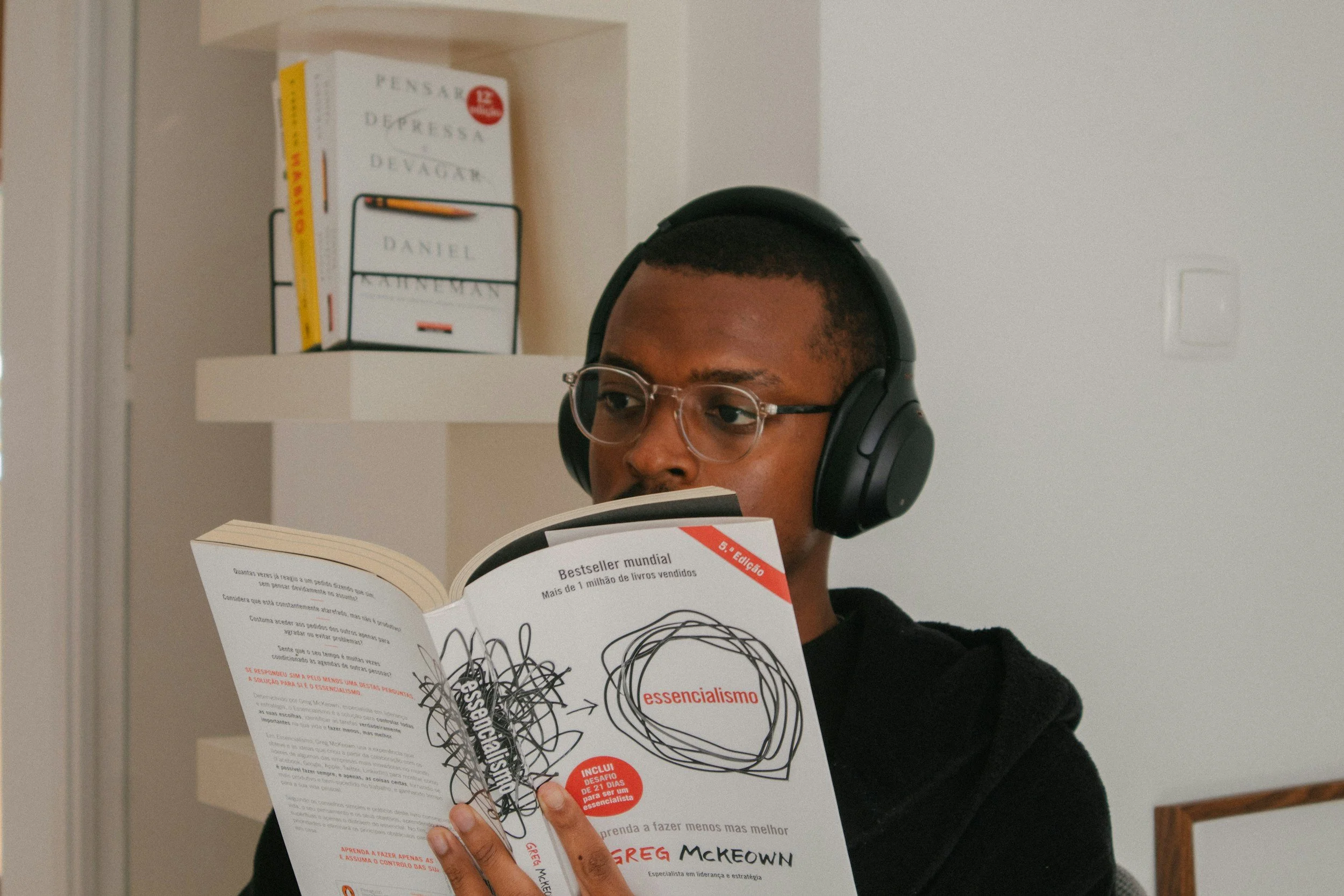
Healthy habits are not about discipline or perfection. They are about making life kinder for your future self.
You deserve habits that support you, not pressure you.
Take it one small step at a time.
You are already doing better than you think.