
Making New Friends
Let’s be honest. Making new friends can feel awkward, especially as an adult.
You’re suddenly expected to “put yourself out there”, start conversations, and build trust with people you barely know. If you grew up moving placements, losing connections, or learning not to rely on people, it makes complete sense if friendship feels unfamiliar or even unsafe.
You are not strange.
You are not behind.
Most adults quietly admit they struggle with this too.
This guide is here to help you understand how friendships actually form and how to build them gently, safely, and at your own pace, without forcing yourself to be someone you’re not.

Friendship usually starts small
Real friendships rarely begin with deep, emotional conversations. They tend to start in much quieter ways. A short chat. A shared interest. A familiar face you see more than once. Small moments where you realise, “Oh, you too.”
You don’t need to overshare or rush closeness to be liked. Friendship grows through repeated, low-pressure contact. Small talk is not fake or pointless. It’s often how safety and familiarity begin.
You don’t need to be outgoing to make friends
There’s a common myth that only confident or extroverted people make friends. That simply isn’t true.
Quiet people make friends.
Anxious people make friends.
Awkward people make friends.
People who take their time make friends.
Friendship isn’t a performance. You don’t need to impress anyone. It’s about connection, not charisma.
Notice where you naturally feel more comfortable
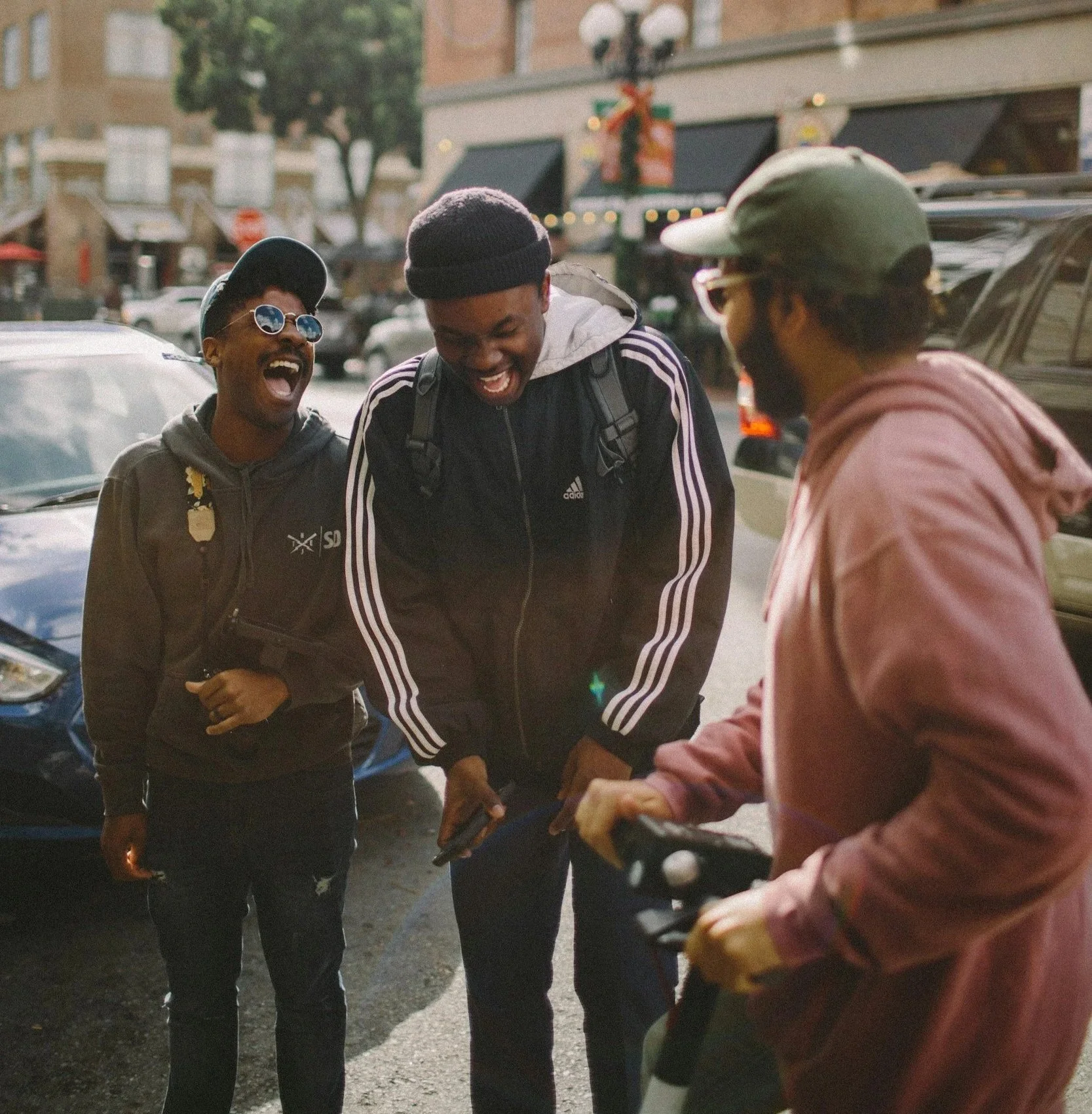
You’re more likely to build friendships in spaces where your body feels relatively at ease.
That might be through work or college, shared hobbies, classes, volunteering, gaming communities, youth or community groups, or safe online spaces that are moderated and respectful.
If somewhere feels overwhelming, unsafe, or draining, you’re allowed to step away. That isn’t failure. It’s your nervous system protecting you.
Go at your own pace with trust
Some people find it easy to trust others quickly. For many care-experienced or trauma-experienced people, trust takes time.
You might notice yourself holding back, watching for consistency, worrying people will leave, or feeling scared of being “too much”. None of that is wrong. It’s learned protection.
Friendships built slowly often last longer. You don’t owe anyone instant access to your story or your emotions.
Look for green flags, not just red flags

It’s important to notice unhealthy behaviour, but it’s just as important to notice what feels good.
Green flags can include people who listen, remember small things, respect your boundaries, don’t rush closeness, include you gently, and make you feel calmer rather than tense.
Pay attention to how your body feels around someone. Feeling at ease matters.
Keep conversations low pressure
Starting conversations doesn’t have to be complicated. Simple, everyday questions are enough to open the door.
You might ask how someone’s week has been, comment on something you’re both doing, or offer a genuine compliment. These small moments aren’t awkward. They’re how connection starts.
You’re not being weird. You’re being human.
Let people get to know you slowly
You don’t have to share everything at once. You can reveal parts of yourself gradually. Talking about interests, things you enjoy, light humour, or everyday experiences is more than enough at first.
Deeper conversations come later, once trust has had time to grow.
Consistency builds closeness
Friendship doesn’t grow through grand gestures. It grows through small, repeated moments. Replying when you can. Checking in occasionally. Making time for short chats. Showing care in ways that fit your energy.
You don’t need to be perfect. You just need to be present in small, manageable ways.
Remember that everyone feels awkward sometimes

Even people who look confident often worry about whether they’re liked or whether they said the wrong thing. Overthinking is part of being human.
You’re not the only one second-guessing yourself. You’re not alone in this.
Notice when a friendship doesn’t feel safe
If a new connection leaves you feeling drained, anxious, pressured, or small, it’s okay to step back. Friendships should add to your life, not make it heavier.
You are allowed to choose who has access to your time and energy.
You deserve friendships that give back
Healthy friendships have balance, kindness, humour, respect, and room for mistakes. You shouldn’t have to chase people who don’t treat you with care.
You deserve friends who meet you halfway.
If loneliness shows up while you’re trying to connect
Feeling lonely while trying to make friends can be especially painful. You might wonder what you’re doing wrong or feel tempted to push yourself faster than feels safe.
Loneliness doesn’t mean you’re failing. It often means you’re in the middle of change.
It’s okay to take breaks from trying. It’s okay to focus on one connection at a time. It’s okay to meet your need for connection in different ways, like online spaces, routines, or shared activities, while friendships slowly form.
You don’t have to force closeness to be worthy of it.
If reading feels heavy, this short video talks about building friendships in a gentle, realistic way:
Reflective moment
If making friends feels hard, especially with a care-experienced or trauma background, that makes sense. You may have learned early that people leave, that closeness can be risky, or that you had to adapt quickly to survive.
Your nervous system has reasons for being cautious.
But friendships can be healing. Safe people exist. You will not always feel like the outsider.
You are allowed to build friendships slowly, quietly, and gently.
You are allowed to find people who become chosen family.
And just so you know, you’re not doing this alone. You can’t choose your blood family, and that’s exactly why this space exists. You’re part of it now.
Closing thoughts

Making new friends is a process. It doesn’t happen overnight and it doesn’t require perfection. It grows through small connections, shared interests, curiosity, and consistency.
With time and patience, friendships can become one of the safest and most supportive parts of your life.
You deserve friends who feel like warmth, not worry, and you’ll find them- one small moment at a time.