
Basic Fix-It Skills
Many young people leave care or move into their first home without anyone ever teaching them how to fix small things. You might look at a loose hinge, a dripping tap, or a wobbly chair and feel completely stuck.
That does not mean you are incapable.
It simply means no one showed you how.
This guide shares gentle, basic fix-it skills to help you feel safer and more confident in your space. You do not need fancy tools or experience. Just patience, simple guidance, and the reassurance that you may learn something new, not something you were expected to already know.
A quick safety note
This guide is for simple, low-risk household tasks only. It is not professional repair advice. If something feels unsafe, involves electrics, gas, plumbing, water leaks, or structural damage, stop and contact your landlord or a qualified professional. You are never expected to fix serious issues yourself.
Know what you are responsible for (and what your landlord must fix)
Before touching anything, it helps to know where your responsibility ends.
In most rented homes, you can usually handle small, everyday tasks like tightening screws, replacing light bulbs, resetting a tripped switch, or fixing minor furniture issues.
Things your landlord or housing provider must handle include leaks, mould, broken windows, heating problems, electrical faults, and plumbing issues beyond very basic clearing.
If you are unsure, it is completely okay to message and ask:
“Is this something I should try to fix, or something you handle?”
You do not need to guess. Asking is a safety skill.
Start with a small, safe toolkit
You do not need expensive tools or a full toolbox. A few basics will cover most small household fixes.
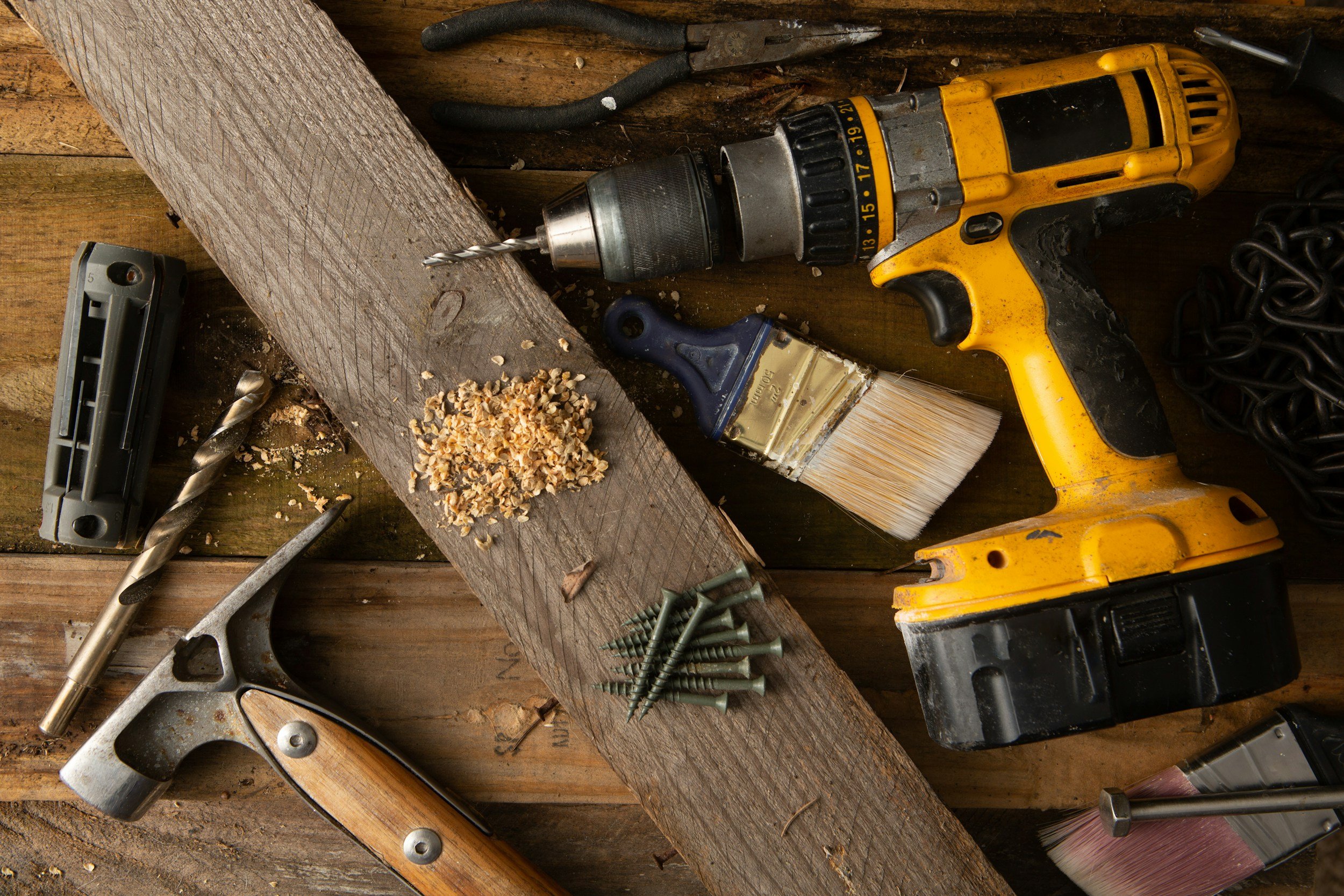
A simple starter set might include a screwdriver, a small hammer, a set of Allen keys, pliers, sticky pads or hooks, and a small tube of super glue. Many flat-pack items already come with the tools you need.
Having just a few tools nearby can make problems feel more manageable rather than overwhelming.
Fixing wobbly furniture
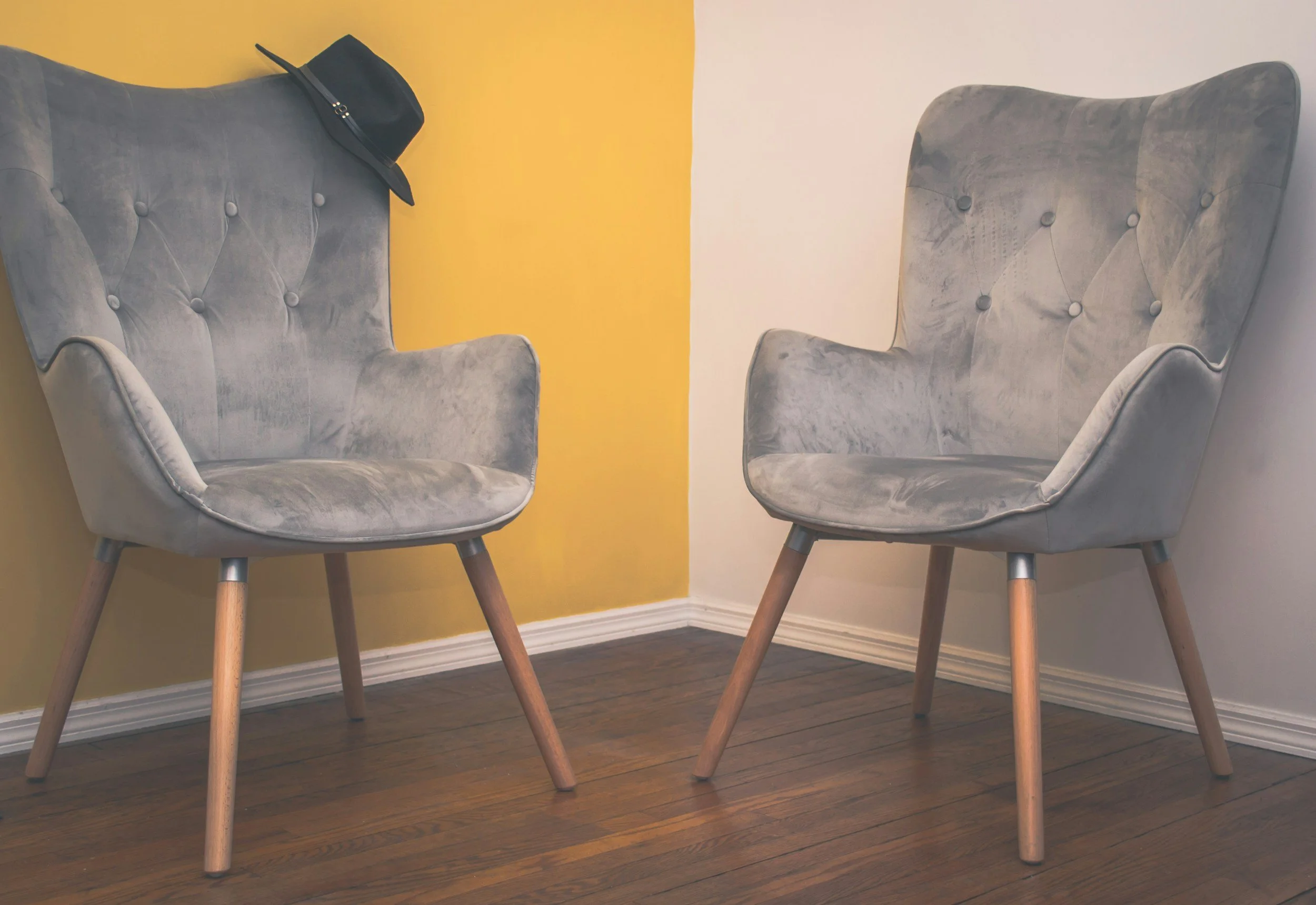
A wobbly chair, table, or shelf does not usually mean it is broken.
Often it just needs screws tightening or legs adjusting so they sit evenly on the floor. Sometimes adding small furniture pads under shorter legs is enough.
Furniture can loosen over time, especially after moving. That does not mean you assembled it wrong or damaged it.
Tightening a loose door handle or hinge
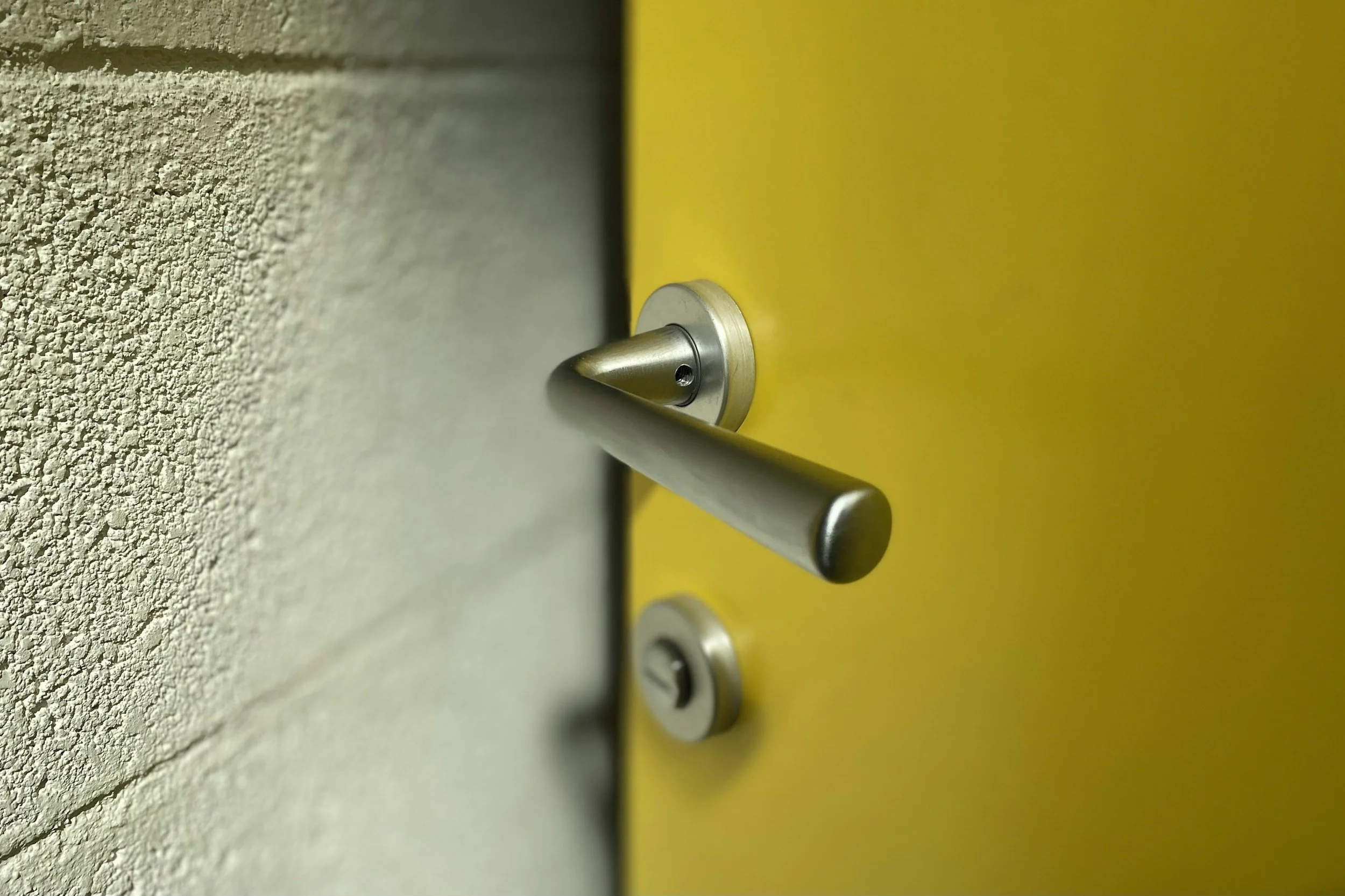
If a door handle wiggles or a cupboard door hangs unevenly, look for the small screw on the side or front.
Using a screwdriver, turn it gently until it feels firm. Stop once it feels secure.
If a screw spins without tightening, the hole may have widened. Placing a small piece of cardboard or a matchstick in the hole before screwing again can help. This is a very common fix and not a sign your home is falling apart.
Resetting a tripped switch
If lights suddenly go off or an appliance stops working, a switch may have tripped.
Your fuse box is often in a hallway cupboard or near the front door. Look for a switch that is facing a different direction to the others and push it back.
If the switch keeps tripping, stop and report it. You are not expected to investigate electrical problems.
This short video explains what a tripped switch looks like and how to reset it safely. If it trips again, the advice is always to stop and report it.
Unblocking a slow sink
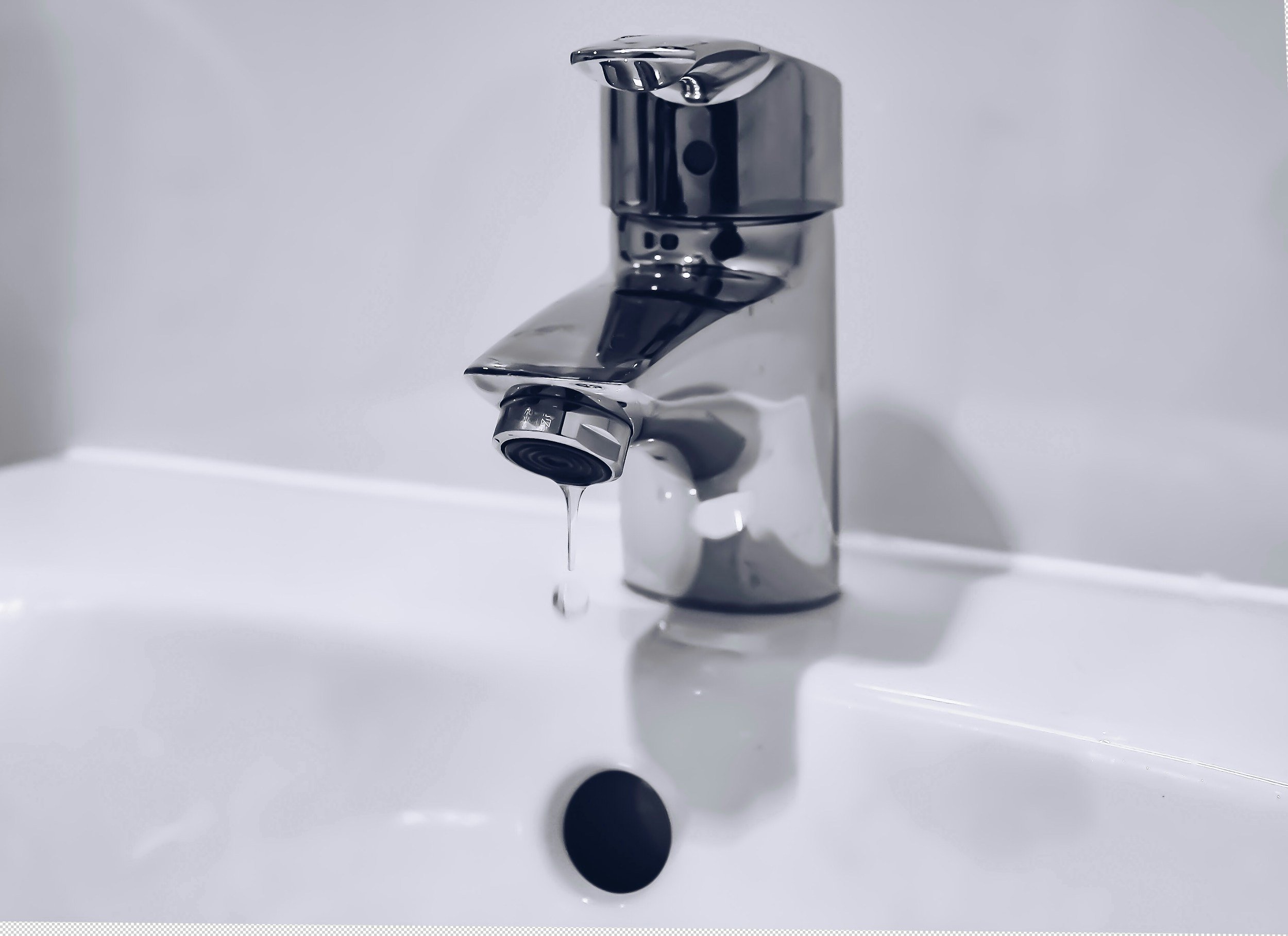
A slow sink is often caused by hair or food build-up.
You can try removing visible debris, pouring boiling water down the drain, or gently using a plunger. If water starts coming back up or the sink is fully blocked, report it.
Plumbing beyond very basic clearing is not your responsibility.
Fixing tiny holes in walls
Small picture hook holes are usually easy to repair.
Ready-mixed wall filler can be pressed into the hole, smoothed gently, and left to dry. You usually do not need to repaint unless the hole is large.
Small marks like this are normal wear and tear.
Quieting squeaky doors or drawers
Squeaks are annoying, not dangerous.
A small amount of lubricant sprayed onto a hinge or drawer runner, then opening and closing it a few times, often solves the problem quickly.
Replacing light bulbs safely
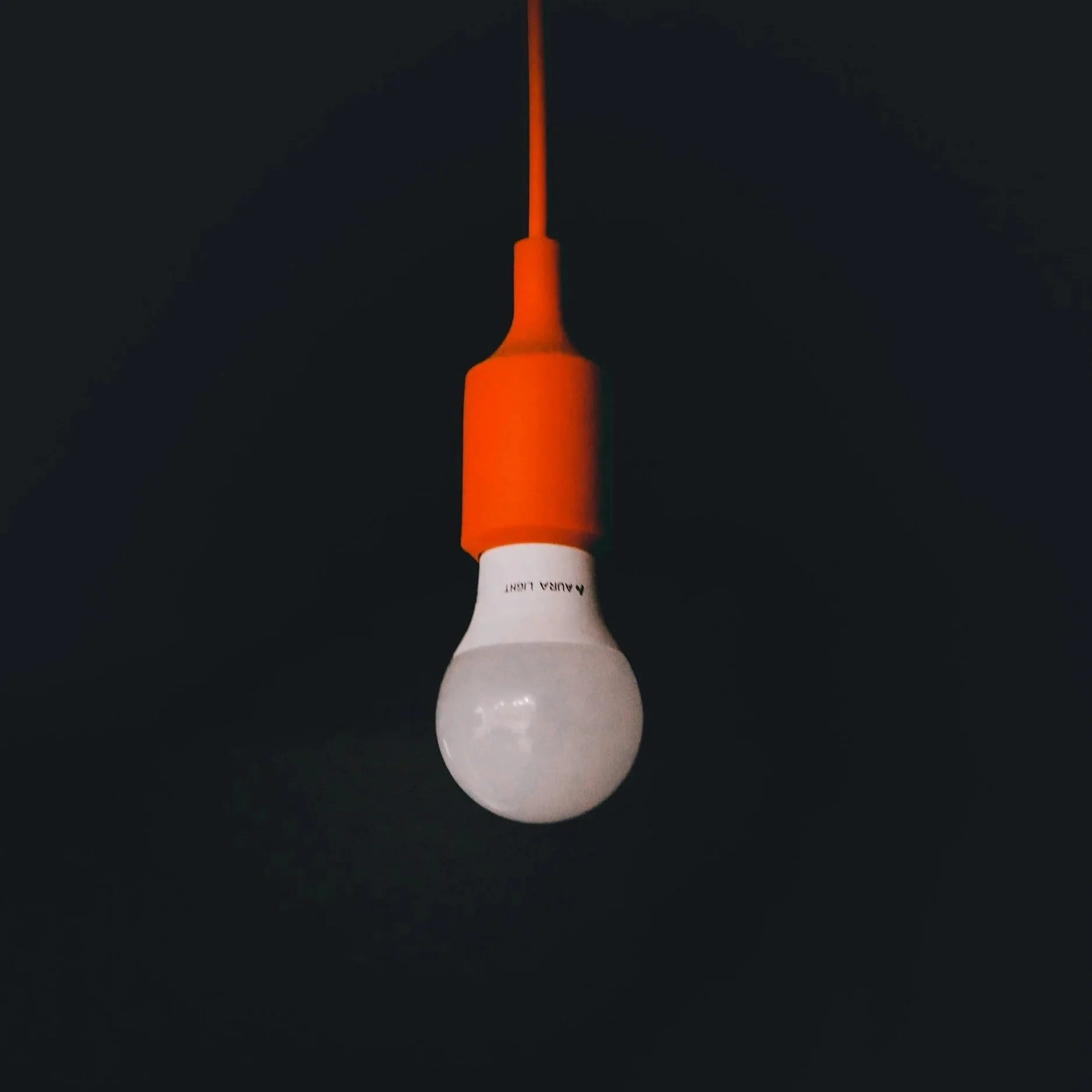
Turn the light switch off and let the bulb cool before touching it. Unscrew gently and replace it with the same type and wattage.
If the new bulb does not work, the issue may be with the fitting or wiring. That is your landlord’s job to fix, not yours.
When to stop and ask for help
You should stop immediately if something feels unsafe.
This includes smelling burning, seeing sparks, noticing water leaks, tools slipping, or feeling unsure about what you are looking at. If a problem gets worse when you try to fix it, stop.
Asking for help is not failure. It is a safety skill.
You can contact your landlord, housing association, maintenance team, or a trusted adult or support worker.
Reflective moment
If DIY tasks make you anxious, overwhelmed, or embarrassed, that feeling is valid. Many young people never had a stable home long enough to learn this, or adults fixed things without explaining.
There is no shame in not knowing, there is strength in learning and there is pride in every small repair you manage.
Conclusion

Basic fix-it skills can help you feel more confident and settled at home. With simple tools, clear limits, and an understanding of when to stop, you can handle everyday issues safely.
You do not need to be an expert. You just need a gentle starting point and the reassurance that you are capable.
Whenever you feel unsure, come back to this guide.
You do not have to figure it out alone.