
Understanding Your Payslip
Payslips can feel confusing, especially if you are new to work, working part time, on zero-hour contracts, or balancing work alongside benefits like Universal Credit. Many young people say they look at their payslip and think, “I don’t understand any of this.”
You are not behind. You are not meant to just know this.
This guide gently breaks things down so you can understand where your money is going, why deductions happen, and how to check your pay is right.
You deserve clarity with your money.
If you prefer watching first, this short video explains the main parts of a payslip in a clear and friendly way.
What a payslip actually is
A payslip is simply a record of your pay. You receive one every time your employer pays you, whether that is weekly or monthly.
It shows three key things:
how much you earned
what was taken off
what ends up in your bank account
You might receive it on paper, by email, or through an online work portal. However it arrives, it is your document and you are allowed to understand it.
The personal details at the top
At the top of most payslips you will see details that identify you and the pay period.
This usually includes your name, an employee number, the pay date, your tax code, and the dates you worked. These details help your employer and HMRC keep records straight.
You do not need to memorise codes or numbers. The main thing to check is that your name and dates look correct. If they do, you are already doing the right thing.
Understanding your earnings

This section shows what you earned before anything was taken off.
You may see things listed like hourly pay, basic pay, overtime, holiday pay, or bonuses.
This total is called gross pay. It is not what you take home. It is simply the starting point.
It can feel disappointing when your bank payment is lower than this number, but that does not mean anything has gone wrong.
Why money is taken off
When you look at your payslip, you will usually see some money taken off before it reaches your bank account. These are called deductions.
They can feel confusing or frustrating at first, especially if no one has explained them to you before. The most common ones are Income Tax, National Insurance, and sometimes pension contributions.
You are not expected to work any of this out yourself. Your employer’s payroll system does it automatically.
You can click on the points below to see more information about what each one means.
-
Income Tax is only taken if you earn over a certain amount.
Many young people working part time, on zero-hour contracts, or with changing hours pay little or no tax at first. If your pay changes, the tax taken can change too.
If you ever feel like too much tax is being taken, you are allowed to ask your employer to check your tax code. Asking questions does not get you into trouble.
-
National Insurance helps pay for things like healthcare and future benefits.
You only start paying NI once you earn over a set weekly or monthly amount. If your hours change, the amount taken can change as well.
This is normal and does not mean anything is wrong.
-
Some jobs automatically enrol you into a workplace pension.
This means a small amount is taken from your pay and saved for later in life. Your employer usually adds money too.
If you are aged 16 to 21, this can still happen. You can choose to opt out, but it is okay to take time to understand it before deciding.
If any of this still feels unclear, that is okay. You can ask your employer, HR, or a work coach to explain it again. You are allowed to understand your pay.
A simple note on tax codes
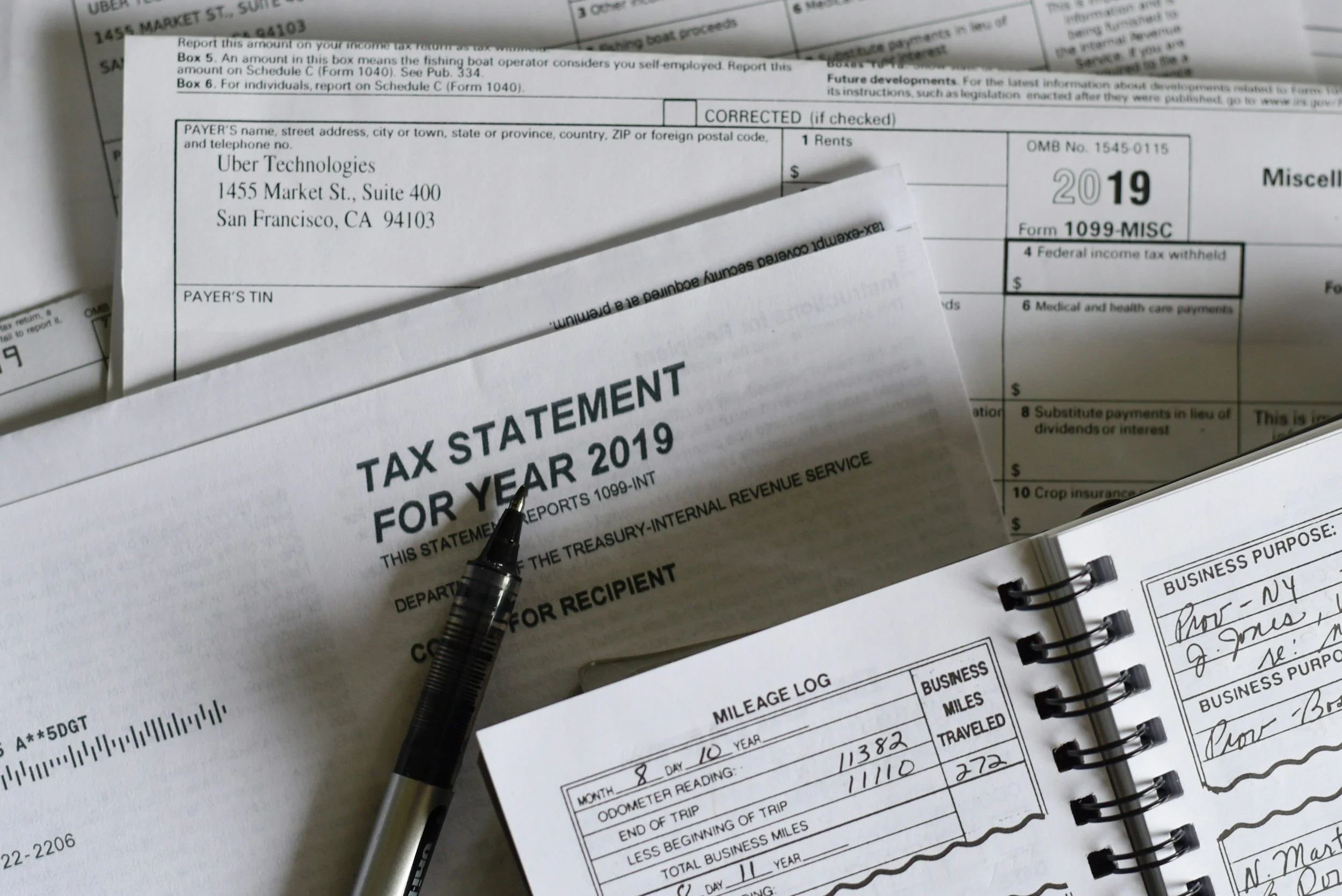
Your payslip will include a tax code. You might see something like 1257L, BR, or 0T.
You do not need to understand every letter or number. What matters is knowing when to question it.
If your tax feels unusually high, or suddenly changes, you are allowed to ask your employer to check your code.
Asking does not get you into trouble. It is normal.
Other deductions you might notice
Some payslips include extra deductions depending on the job.
These can include pension contributions, student loan repayments, union fees, or workplace schemes.
If you are aged 16 to 21, you may be automatically enrolled into a pension. This is standard practice. You can opt out if you choose to, but it is okay to take time to think about it.
Nothing should appear on your payslip without a reason. If you are unsure, you can ask.
The number that matters most
Net pay is the amount that actually reaches your bank account.
This is your take-home pay, after deductions. It is often smaller than expected, especially at first. Many people feel shocked the first time they see it.
That reaction is completely normal. Understanding where the money goes helps reduce that stress over time.
Holiday pay and sick pay

Some employers show holiday pay and sick pay separately.
Holiday pay is something you earn as you work, even on part time or zero-hour contracts.
Sick pay might show as SSP (Statutory Sick Pay) or company sick pay if your employer offers more.
If something looks unfamiliar, you can ask your manager or HR to explain it.
If you are also receiving benefits
Many young people work while receiving benefits like Universal Credit.
To keep things running smoothly:
keep your payslips
upload them to your UC journal if asked
expect your UC payment to change when your earnings change
Mixing work and benefits is a normal part of many people’s journey into independence. You are not doing anything wrong by having a mixture.
Checking for mistakes

Payslip errors are more common than people realise, especially in hospitality, retail, care work, agency roles, or zero-hour contracts.
It is worth checking for missing hours, incorrect pay rates, missing holiday pay, or the wrong tax code.
Asking about a mistake is not being difficult.
You are protecting your money.
A realistic note about money and pressure..
It is hard being young and working right now. There is constant pressure to keep up with what you see online, what friends are doing, and what feels “normal”.
Your payslip may not match the lifestyle you see on social media. That does not mean you are failing. Most people your age feel exactly the same.
Understanding your payslip gives you something powerful: control.
Conclusion

Payslips can look overwhelming, but once you know what each part means, they become useful tools rather than scary documents.
Understanding your payslip helps you:
spot mistakes early
feel more confident at work
manage your money more calmly
build independence over time
You can come back to this guide whenever you need.
You are learning skills that will support you long-term.