
Finding Identity After Leaving Care
Leaving care can feel like someone handed you a whole life and said, “Figure it out.”
You go from being told what to do, where to be, and who is involved in your life, to suddenly making all your own choices. It can feel exciting. It can feel terrifying. It can also feel like you are supposed to know exactly who you are overnight.
You are not supposed to.
Identity is something you discover slowly, piece by piece. Not something you magically receive the day you turn eighteen. This guide is here to help you explore who you are in a way that feels safe, gentle, and realistic.

Think of identity like a mosaic, not a straight line
Identity is not one “thing” you either have or do not have. It is made up of many small pieces that slowly form a bigger picture.
Your mosaic might include:
Your personality and quirks
Your experiences and memories
Your culture, values, and beliefs
Your interests, strengths, and hopes
Your relationships and the people you feel most yourself around
Some pieces will feel clear straight away. Others may take time. That does not mean you are behind. It simply means you are still growing.
How growing up in care can shape you
Growing up in care does not define you forever, but it can shape how you see yourself and the world around you.
You may have learned to adapt quickly, read people, or protect yourself emotionally. You might have developed resilience and independence before you ever wanted them. You may also carry questions about where you fit, or worries about being “too much” or “not enough.”
All of this makes sense.
These experiences are part of your story, but they are not the whole story.
Before the stories

Leaving care can feel less isolating when you see parts of yourself reflected in other people’s experiences.
The stories below are real-style examples, with names changed for safeguarding. They are not here to show a “right” way to find your identity, just different starting points.
You do not need to relate to every story.
If even one moment feels familiar, that is enough.
Story 1: Jay, 18, and the pressure to know who he was straight away
When Jay left care, it felt like everyone wanted answers.
What are you doing next? Where are you living? What’s your plan?
Jay felt frozen. For years, decisions had been made around him. Now he was expected to have a clear sense of direction and identity overnight.
For a long time, Jay thought not knowing meant he was failing.
Eventually, he realised something important. Not knowing was not a weakness. It was the first honest place he had ever been allowed to stand.
Once he stopped rushing himself, Jay began trying small things without pressure. New routines. Different people. Quiet time to notice what felt right. His identity did not arrive all at once. It grew slowly, as he gave himself space.
Story 2: Amara, 21, unlearning survival mode
Amara had always been described as “independent” and “strong.” She wore those labels with pride. She had to.
After settling into independence, she noticed something unsettling. She did not know how to rest. She struggled to accept help. Needing support made her feel uncomfortable and guilty.
At first, Amara thought this was just her personality. Over time, she realised it was survival mode.
She began practising letting herself need people in small ways. Asking for help. Accepting support without explaining herself. Allowing rest without earning it.
Amara did not lose her strength. She redefined it. Her identity shifted from “I cope alone” to “I am allowed support.”
Story 3: Theo, 19, discovering he could choose who he became
Theo felt like his past followed him everywhere. New places. New conversations. New people who always seemed to circle back to where he had come from.
For a while, Theo introduced himself through his history, because he did not know what else to say.
One day, a tutor asked him a different question. Not about his past, but about what he enjoyed.
It felt strangely hard to answer.
So Theo started paying attention. Music that made him feel calm. Work that felt meaningful. People who made him laugh without judgement. Slowly, his sense of identity shifted from “This is what happened to me” to “This is who I am becoming.”
Give yourself permission to explore
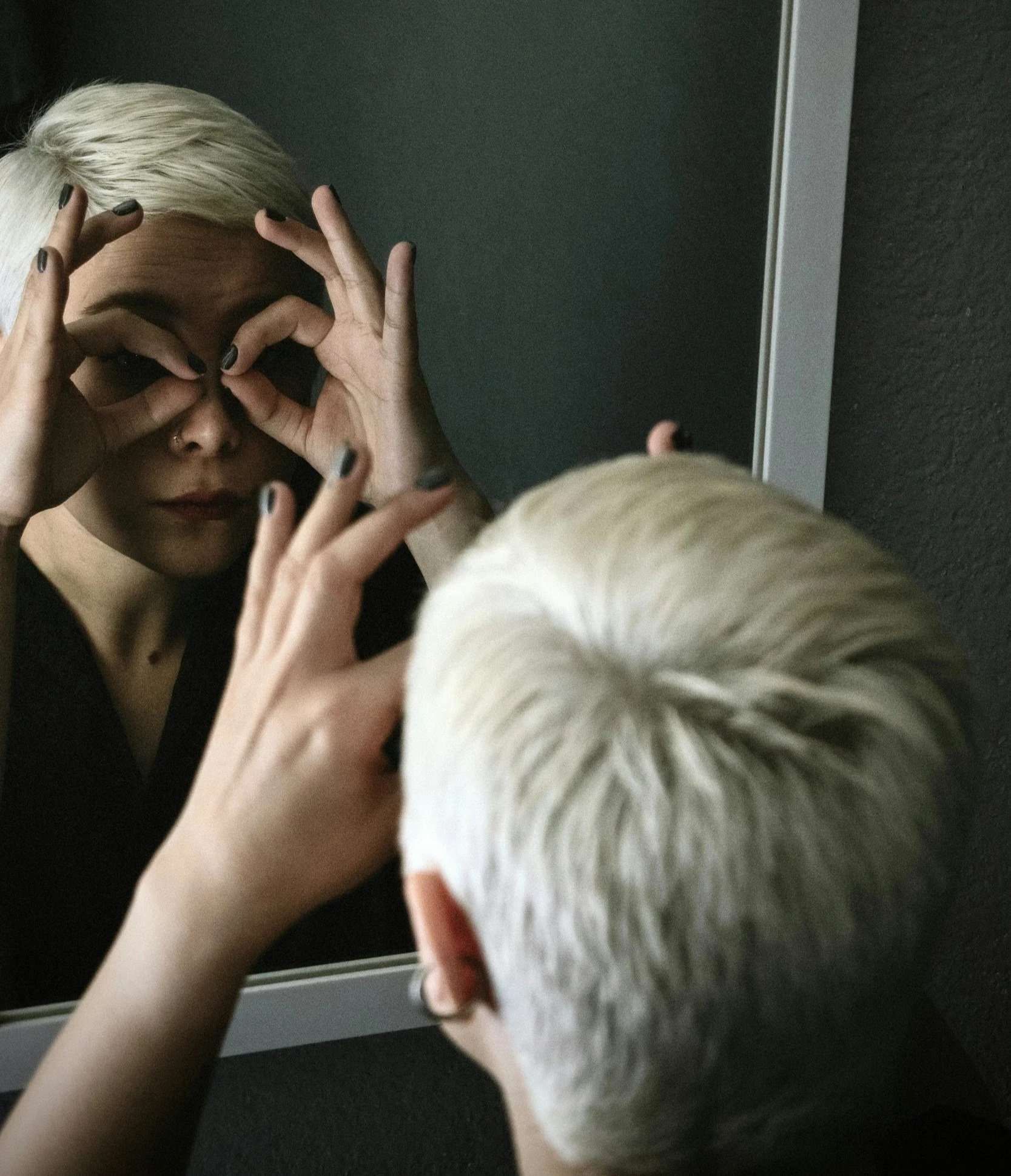
After leaving care, you finally get to choose things you may never have chosen before. What you wear. Who you spend time with. How your space feels. What matters to you.
Exploring your identity is not “reinventing yourself too much.”
It is learning who you are without systems watching or deciding for you.
It is okay if this feels messy.
Noticing what feels like “you” and what feels like survival mode
Sometimes we confuse coping strategies with personality, because coping was what kept us safe.
You might gently ask yourself:
Do I actually like this, or did I learn it to fit in or stay safe?
Is this a real preference, or a habit from survival mode?
Does this feel like me, or just familiar?
Being quiet might have been masking. Being overly independent might have been protection. Avoiding closeness might have been safety, not preference.
You are allowed to grow beyond survival mode.
Exploring the parts of your story that matter to you
Identity can include many things. Culture. Heritage. Faith. Values. Gender identity. Sexuality. Neurodivergence. Hopes for the future.
Some parts may feel clear. Others confusing. Some may change over time.
That is normal.
Identity is not a test. It is a relationship you build with yourself.
Surrounding yourself with people who see the real you

Identity grows in safe company.
You deserve people who listen, ask questions, celebrate your growth, and let you change without holding your past against you.
You do not need perfect people. (Disclaimer: They don’t exist!)
Just people who feel safe enough.
Taking your time with the hard questions
Questions like Who am I without the system? What do I actually like? What kind of future do I want? can feel heavy.
You do not need answers today. You only need curiosity and patience.
Try a visual identity map
If your thoughts feel tangled, it can help to make them visible.
Grab a piece of paper and draw circles or boxes for:
Things you enjoy
Things you value
Things that matter to you
Things you want more of
Things you want to leave behind
Parts of yourself you want to understand better
You can return to this map whenever something new clicks.
Identity is something you build and update.
Let your identity change as you heal

As you heal, you may notice yourself becoming softer, braver, more grounded, or more open.
You may want different relationships, routines, or environments.
That is not losing yourself.
That is finding yourself.
Building identity from strengths, not wounds
Your past shaped you, but it does not define your future.
You are more than what happened. You are your choices, your values, your humour, your hopes, and your ability to keep going.
Your story has hard chapters.
But you are the one writing what comes next.
Reflective moment
It is completely normal to feel a bit lost after leaving care. Systems often leave little room for personal identity.
You may feel behind or overwhelmed by choice. But you are not starting from nothing.
You are starting from lived experience, survival, and strength. Your identity will grow with you. It will become clearer as you build a life that reflects who you truly are.
Closing thoughts

You do not need to have your whole identity figured out to be doing okay.
You only need curiosity, patience, and a little space to explore. Piece by piece, you will discover who you are.
…And you do not have to do it alone.