
Support on What to Do in a Crisis
A crisis can look different for everyone. Sometimes it is a sudden panic. Sometimes it is a wave of emotion that comes out of nowhere. Sometimes thoughts feel too loud or too heavy. Sometimes a situation feels unsafe or urgent.
If you grew up around chaos, instability, or constant stress, your brain may go into crisis mode quickly. That does not mean you are weak. It means your nervous system learned how to protect you.
We’re here to offer small, clear steps to help you stay grounded in the moment until you can get the support you need.
Please note: This guide offers general wellbeing support and is not a replacement for professional medical or mental health care.

If you feel unsafe right now..
If you are in immediate danger, call 999 or go to A&E.
If you are unsure, you are still allowed to ask for help.
Steps to get through the moment
Below you’ll find a number of suggestions to help you stay grounded feeling overwhelmed. You do not need to do everything at once.
Try one step, pause and then choose another if you need it.
-
A crisis speeds everything up. Your job is to slow things down just enough to think.
Try placing both feet on the floor, putting one hand on your chest, or taking one slow breath.
One pause is enough to begin grounding your body.
-
You might say, in your head or out loud:
“This moment will not last forever.”
“I am going to get through this.”
“I am safe right now.”
You are not fixing the whole situation.
You are reminding your brain that you are still here. -
Grounding helps pull your mind out of panic mode.
Try one or two of these:
Hold something cold
Touch something with texture
Name the colour of one object
Put both hands on your legs
Take a sip of water
Name five things you can see
Small actions can have a big calming effect.
-
Crisis energy needs somewhere to go.
You could shake out your hands, stretch, walk to another room, or step outside for air. Movement helps your body release the danger signal.
-
You do not need to explain everything.
You can say something simple like:
“I feel overwhelmed.”
“I need help right now.”
“Can you stay with me on the phone?”
Safe people might include a friend, your PA or support worker, a trusted adult, your partner, or a helpline.
You are not a burden.
Needing help is human. -
Different situations need different support.
If you feel unsafe right now:
Call 999 or go to A&E
Support is available through:
Samaritans - 116 123 (free)
Shout (text support)- text SHOUT to 8525
The Mix (for under 25s) - text THEMIX to 85258
Mind - 0300 102 1234 (free)
Your local crisis line
Someone you trust
If you are unsure or need advice:
Call 111
You are allowed to ask for help, even if you are not sure how serious it is.
-
You do not need to feel better. Just a little steadier.
Try sitting somewhere quieter, putting on calming music, wrapping yourself in a blanket, breathing slowly, splashing cool water on your face, or switching to softer lighting.
-
You might gently ask:
What triggered this?
What do I need now?
Who could I talk to about this?
Do I need follow-up support?
Crisis moments often carry important information. You deserve to understand what your body is communicating.
-
Frequent crisis moments do not mean you are failing. They often mean your body is carrying a lot.
Ongoing support might include your GP, mental health services, school or college wellbeing teams, your PA, a counsellor, a mentor, or a support group.
You deserve long-term support, not just emergency coping.
-
If you live with neurodiversity, anxiety, low mood, chronic fatigue, sensory overload, or chronic pain, your energy may change day to day.
On higher energy days, you might walk, dance, or do a short workout.
On lower energy days, stretching, gentle yoga, or light housework may be enough.
On no energy days, breathing, small movements, or rest still count.
Your body is not the enemy. Work with it, not against it.
-
Movement can be easier when it does not feel like exercise.
Swimming, trampolining, skating, climbing, gardening, hiking, boxing pads at home, or martial arts taster sessions can all count. Enjoyment matters more than intensity.
-
Movement should never be punishment for eating, for gaining weight, or for existing.
Movement is support, not shame.
It should help you feel better, not worse.
Reflective moment
If you have lived through instability, sudden change, or emotional overwhelm, your body may react strongly even when things are safer now. That is not your fault. It is a survival response.
You are learning new ways to calm your system, and that takes time.
A crisis moment does not define you.
Closing thoughts
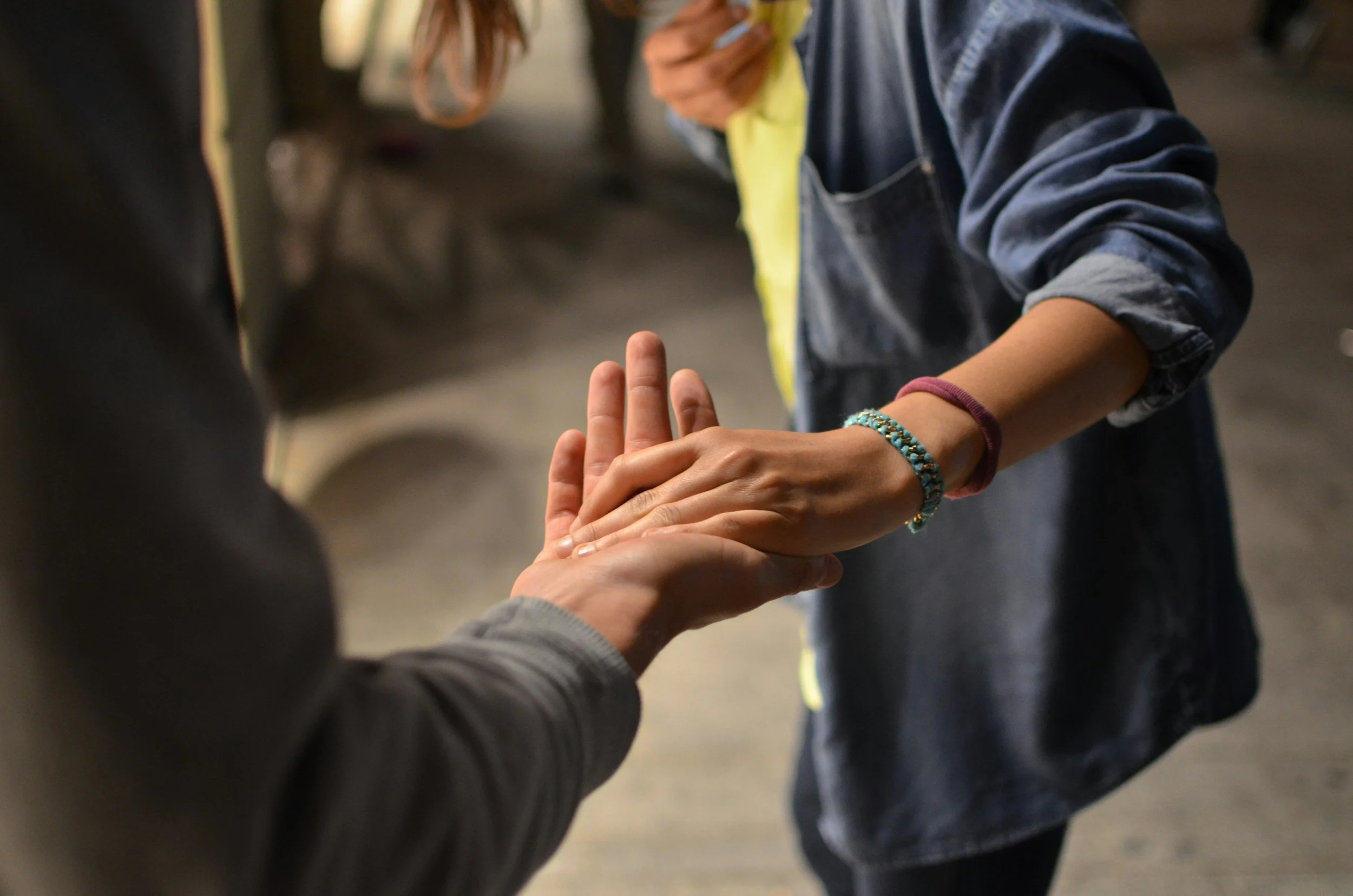
You are not alone, you are not ‘dramatic’ and you are not ‘too much’.
You are someone who has been through a lot, and your body sometimes reacts to protect you. These steps are here to help you breathe, slow down, and lean on others when you need to.
Reaching out is strength.
Getting through the moment is strength.