Learning New Skills for Free
Learning new skills can sound expensive or complicated. You might picture paid courses, long lessons, or needing equipment you cannot afford. That alone can make learning feel out of reach before you even begin.
Here is the good news…
You can build real, useful, confidence-boosting skills without paying anything at all.
Free learning is especially helpful when money is tight, when you want to explore without pressure, or when you are not yet sure what direction you want to go in. You do not need a big plan or a long-term goal. Curiosity is enough to start.
This guide shows simple, realistic ways to learn new skills for free, at your own pace and in your own style.
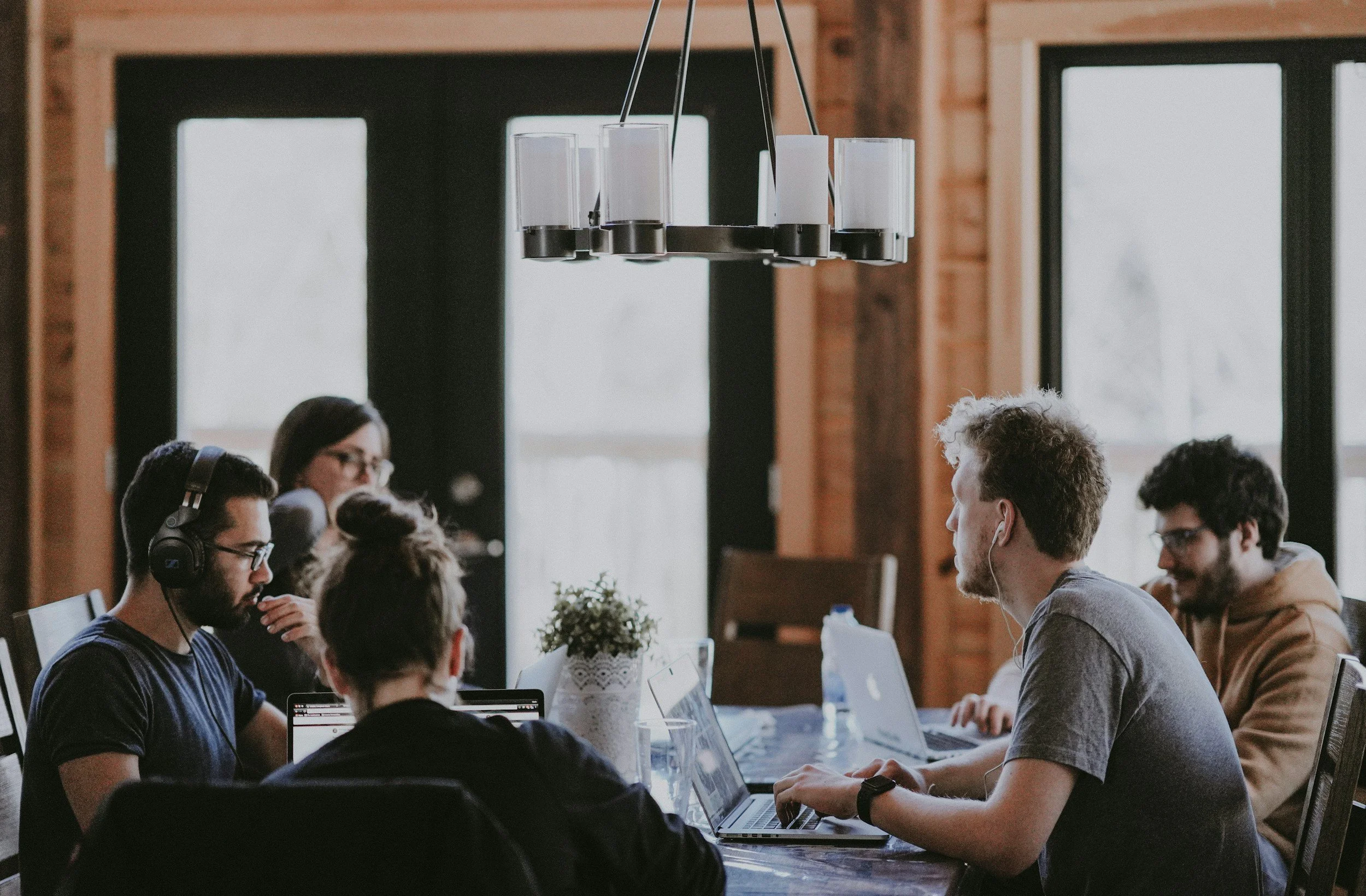
Learning often starts with curiosity, not confidence
You do not need to know exactly what you want to do long term. Many people begin learning because something sounds interesting or feels useful right now.
You might notice yourself wondering:
What sounds interesting to me lately?
What do I wish I felt more confident doing?
What skill would make work, study, or daily life a bit easier?
You are allowed to explore without knowing where it will lead. Learning does not have to be serious or strategic to be valuable.
Curiosity is a valid starting point.
Free learning exists in more places than you think
There are thousands of free learning options available, many backed by universities, employers, and the UK government. Most are designed to be flexible and beginner-friendly.
Free learning usually allows you to:
dip in and out
pause when your energy is low
repeat sections as many times as you need
learn privately, without pressure
Learning should fit around your life, not compete with it.
Government-provided free courses (UK)
The UK government funds and supports a wide range of free learning opportunities designed to help people build skills for work, confidence, and everyday life.
These include:
Free Courses for Jobs on gov.uk, offering funded courses and qualifications
National Careers Service, which provides free training, guidance, and access to funded learning
The Skills Toolkit, a collection of free digital, workplace, and life-skills courses supported by the Department for Education
These courses are legitimate, recognised, and designed to be accessible. You do not need to already feel confident or academic to use them.
Trusted free learning platforms
Alongside government learning, there are many high-quality platforms offering free courses across a wide range of topics.
You might explore:
OpenLearn (The Open University)
FutureLearn
Reed.co.uk free courses
Google Digital Garage
Alison
LinkedIn Learning (via free trials or library access)
Coursera free options
You do not need to complete everything. Even short sections can be useful.
Try this: finding one free skill to explore
If learning feels overwhelming, this short exercise can help you start gently. You do not need to complete every part. Click on each point below for more information:
-
Think about something that has caught your attention recently. It could be practical, creative, or work-related.
You do not need to justify it. Interest is enough.
-
Ask yourself where you might find free learning:
a government course
a free online platform
a YouTube tutorial
a library or community space
a person who already knows this skill
Choose one option only.
-
This might be watching one short video, reading one page, or trying something once.
Small steps are easier to return to.
-
Decide how long you will spend and when you will stop. Learning works better when it feels safe and manageable.
-
Progress might simply be understanding something new or feeling a little more confident than before.
You do not need a certificate for learning to count.
You can come back to this accordion anytime. Learning builds through noticing, not rushing.
remember, YouTube still counts as learning
YouTube is one of the most accessible learning tools available.
People use it to learn things like:
Spreadsheets and basic tech
Cooking and budgeting
CV writing and interview skills
Creative tools and design
DIY and everyday life skills
You can pause, rewind, and learn privately. There is no classroom pressure and no embarrassment if something takes time.
Learning does not need to be public to be real.
Libraries and community spaces still matter
Learning does not only happen online.
Libraries often offer free books, computer access, quiet study spaces, workshops, and digital resources. Community centres may run free or low-pressure sessions focused on practical skills such as budgeting, cooking, digital confidence, or employability.
These spaces are designed to support learning at all stages. You belong there, exactly as you are.
Volunteering is learning in disguise
Volunteering is one of the most powerful free ways to build skills.
Through volunteering, people naturally develop communication, teamwork, organisation, problem-solving, and confidence. These are exactly the skills employers and colleges value.
Learning through doing often feels more natural than formal study..
Learning from people around you
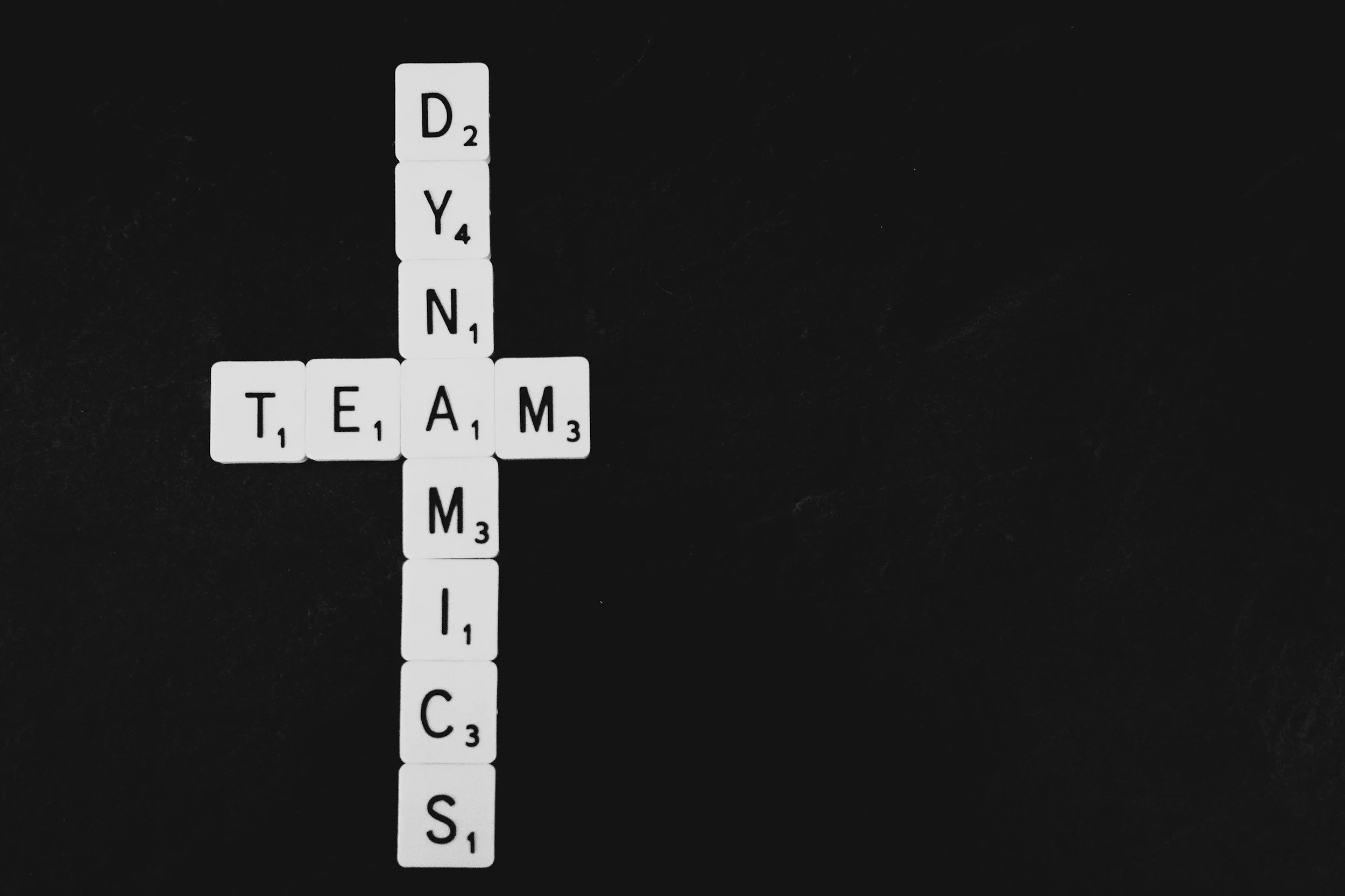
Not all learning comes from courses.
You can learn by asking a colleague to show you something, learning a skill from a friend, getting guidance from a mentor, or asking a support worker to help you plan or organise.
Informal learning still counts. Knowledge shared between people matters.
Using new skills in small, real ways
Skills grow when you use them.
You might practise by creating a simple document, writing a practice email, trying a small task, or helping someone with something you have learned. These small actions help skills stick.
You do not need a big project to make progress.
Learning does not have to be linear

You are allowed to jump between topics, try things and stop, take breaks, or change direction.
Sideways learning counts just as much as forward progress. Every skill you explore strengthens your foundation, even if you do not see the impact straight away.
Reflective moment
If learning feels scary or overwhelming, that’s okay. You may have missed out on steady teaching or been made to feel behind in the past.
None of that means you cannot learn now.
Your brain is capable, your pace is valid and you are allowed to learn in ways that support your energy.
You are not starting from zero.
You are starting from experience.
Closing thoughts

Learning new skills for free is not about being perfect. It is about giving yourself options, confidence, and space to grow without pressure.
You are allowed to learn slowly, enjoy it and change direction if you want.
Every new skill you pick up, no matter how small, is another step towards building a future that feels more possible.