
Kitchen Safety Basics
Being in the kitchen can feel exciting, overwhelming, or even scary, especially if you are learning these skills for the first time.
Many young people did not grow up with steady access to a kitchen, or were not shown how to cook safely. Some learned to cook in rushed, tense, or unpredictable environments where mistakes were criticised rather than supported.
This guide is here to change that.
It offers simple, calm guidance to help you feel more confident and steady in the kitchen - without pressure, judgement, or expectations to “get it right”.
You are allowed to learn this slowly.
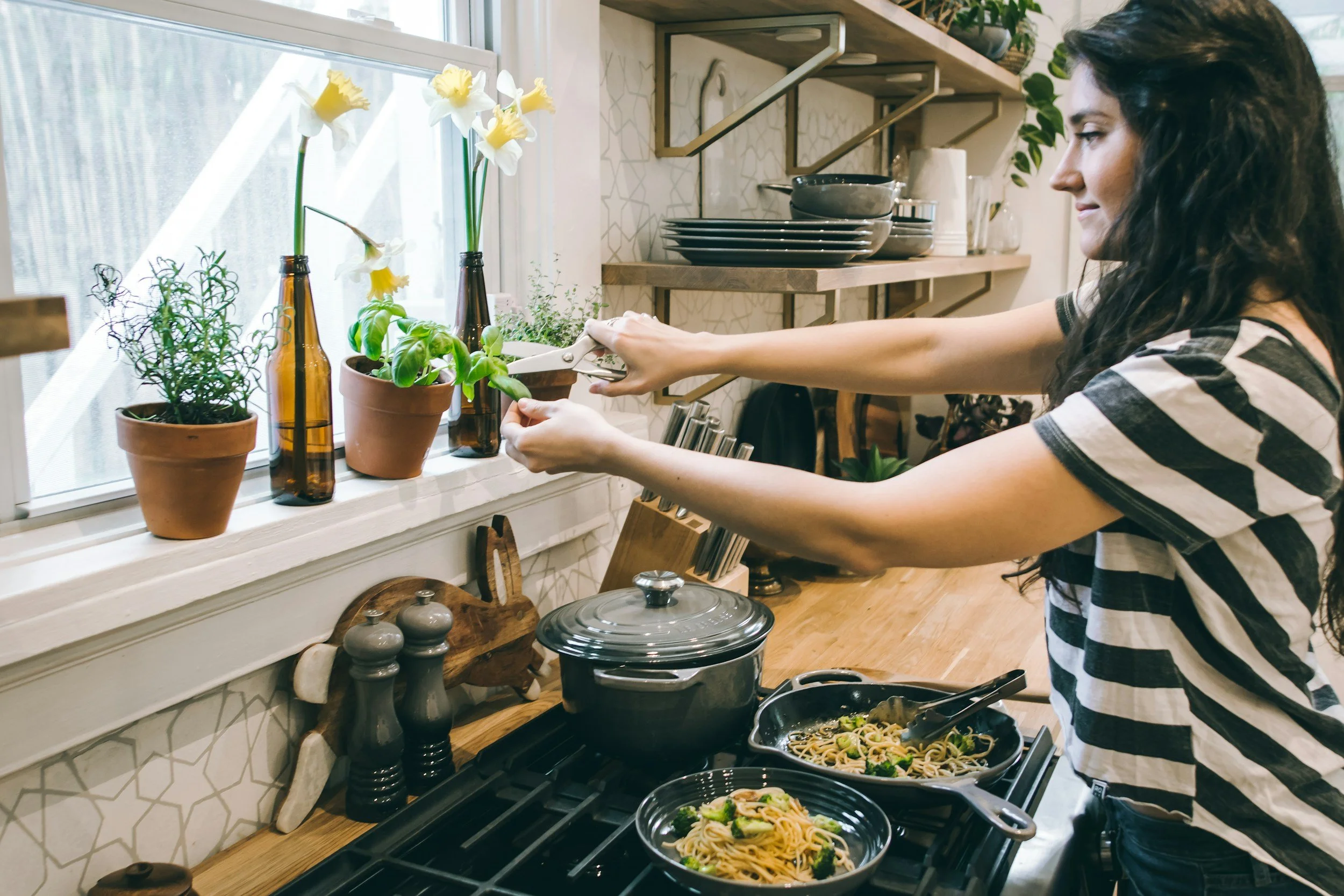
Start by slowing things down
The most important kitchen safety rule is simple: take your time.
Accidents are much more likely when you feel:
rushed because you are hungry
stressed or distracted
overwhelmed by noise or mess
like you need to do everything at once
Giving yourself an extra minute can prevent burns, cuts, and spills.
Cooking safely is not about speed.
It is about giving yourself space to think and move calmly.
Create a calmer cooking space
A clear space helps your body feel safer.
Before you start cooking, it can help to:
move clutter away from the hob
keep tea towels, packaging, and paper away from heat
wipe up spills so you do not slip
turn pan handles inward so they are not easy to knock
Your kitchen does not need to look perfect.
It just needs to feel manageable and visible.
If seeing things visually helps:
This short video gently shows how to stay safe around heat, ovens, and everyday kitchen equipment.
Using knives without pressure
You do not need expensive knives. Even basic ones can be sharp.
When chopping:
use a chopping board
curl your fingers slightly under
move slowly and deliberately
never cut towards your hand
stop if your hands feel shaky
If chopping feels stressful or unsafe, that is okay. There are alternatives:
frozen or pre-chopped vegetables
tinned ingredients
kitchen scissors for softer foods
You are not expected to cook like a chef.
You are learning skills for real life, at your own pace.
Being careful with heat
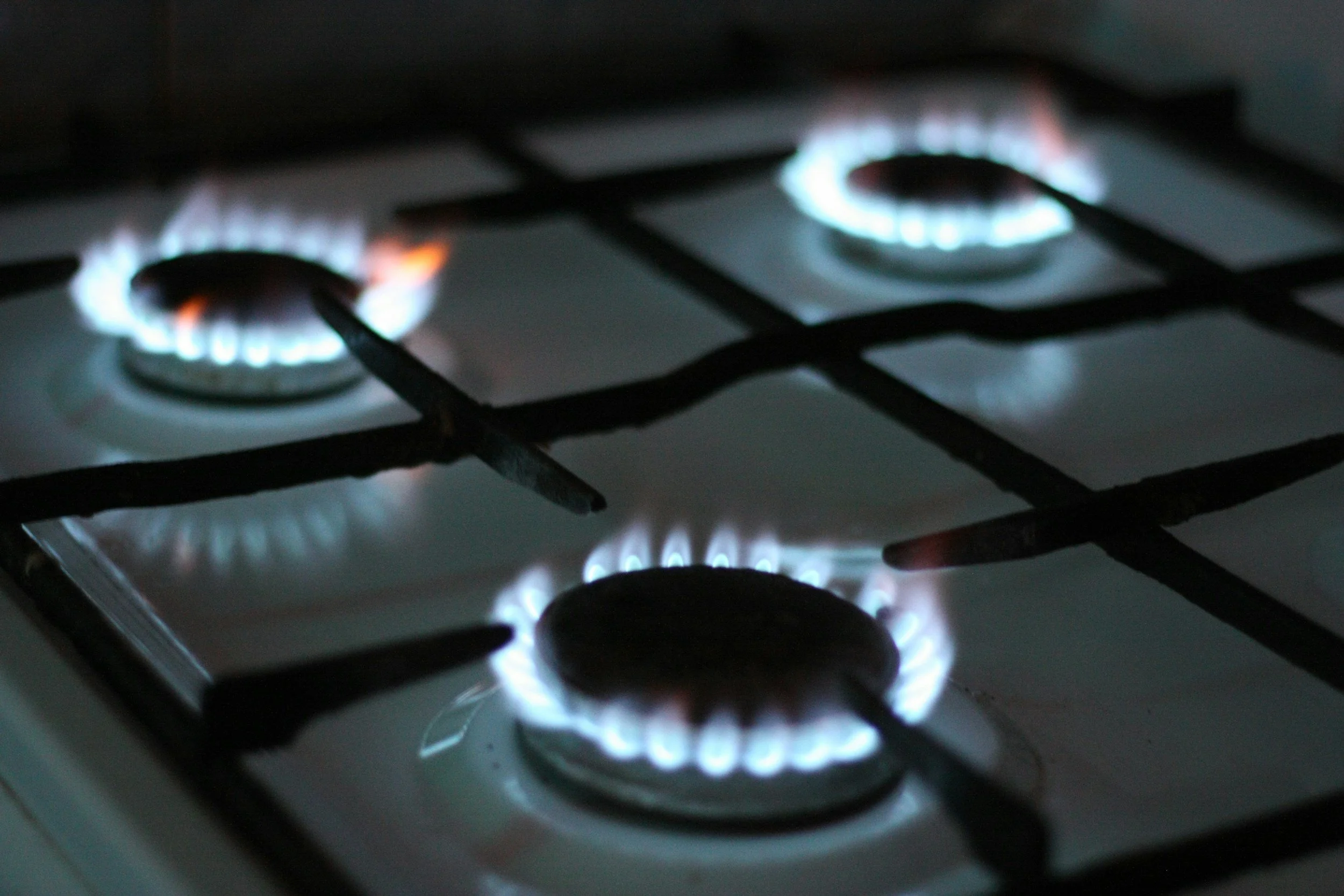
Heat can be unpredictable, especially when you are tired or distracted.
To stay safe:
use oven gloves or a folded towel
open the oven slowly to let heat escape
use lower heat if you are unsure
never leave the hob unattended
turn the hob off as soon as you finish
If flames or high heat make you anxious, lower settings and slower cooking are always valid choices.
Let your kitchen breathe
Steam and smoke can build up more quickly than you expect, especially in smaller kitchens.
If you can, opening a window or switching on an extractor fan can make a big difference. It helps heat and smells escape and keeps the space feeling calmer and easier to manage.
Good ventilation can also reduce the chance of smoke alarms going off, strong smells lingering, or that sudden feeling of panic when things get smoky.
If your smoke alarm does beep while you’re cooking, it does not mean you are doing anything wrong. It usually just means your kitchen needs a bit more air.
If something burns or goes wrong
Burning food happens to everyone. It is a normal part of learning and does not mean you have done anything wrong.
If food starts to smoke, it usually helps to:
turn off the heat and move the pan away from the hob
open a window to let the smoke clear
If something catches fire, focus on keeping yourself safe:
do not add water, and turn off the heat if it feels safe
cover the pan with a lid or damp towel, or leave the kitchen and call for help
You are not in trouble.
Accidents happen, and they do not mean you have failed.
Reducing the risk of cross contamination
Cross contamination means tiny germs from raw foods - like raw meat - spreading onto other food, your tools, or surfaces. It sounds technical, but in everyday cooking it really just comes down to a few habits that protect your health without any need for perfection.
A few gentle steps that help include:
keeping raw meat separate from foods that are ready to eat,
washing hands and tools after they have touched raw meat,
and putting raw meat on the bottom shelf of the fridge so nothing else can drip on it.
These steps are simple and steady. They are not about doing everything perfectly. They are about creating small habits that keep your food safer and your kitchen calmer.
Using kitchen appliances safely
Kitchen appliances are there to make cooking easier, not more stressful. You do not need to know everything at once, and it is okay to take time to get familiar with what you have.
A few simple safety habits can help. For example, metal should never go in the microwave, plug sockets should not be overloaded, and toasters are best kept away from sinks or water. Slow cookers and similar appliances should sit on stable surfaces where they cannot be knocked, and it is worth checking that cables are not damaged before using them.
If you are ever unsure how something works, it is completely okay to pause. Looking up a short video, checking the instructions, or asking someone you trust is always safer than guessing.
Learning safely matters more than doing things quickly.
Keeping cleaning realistic
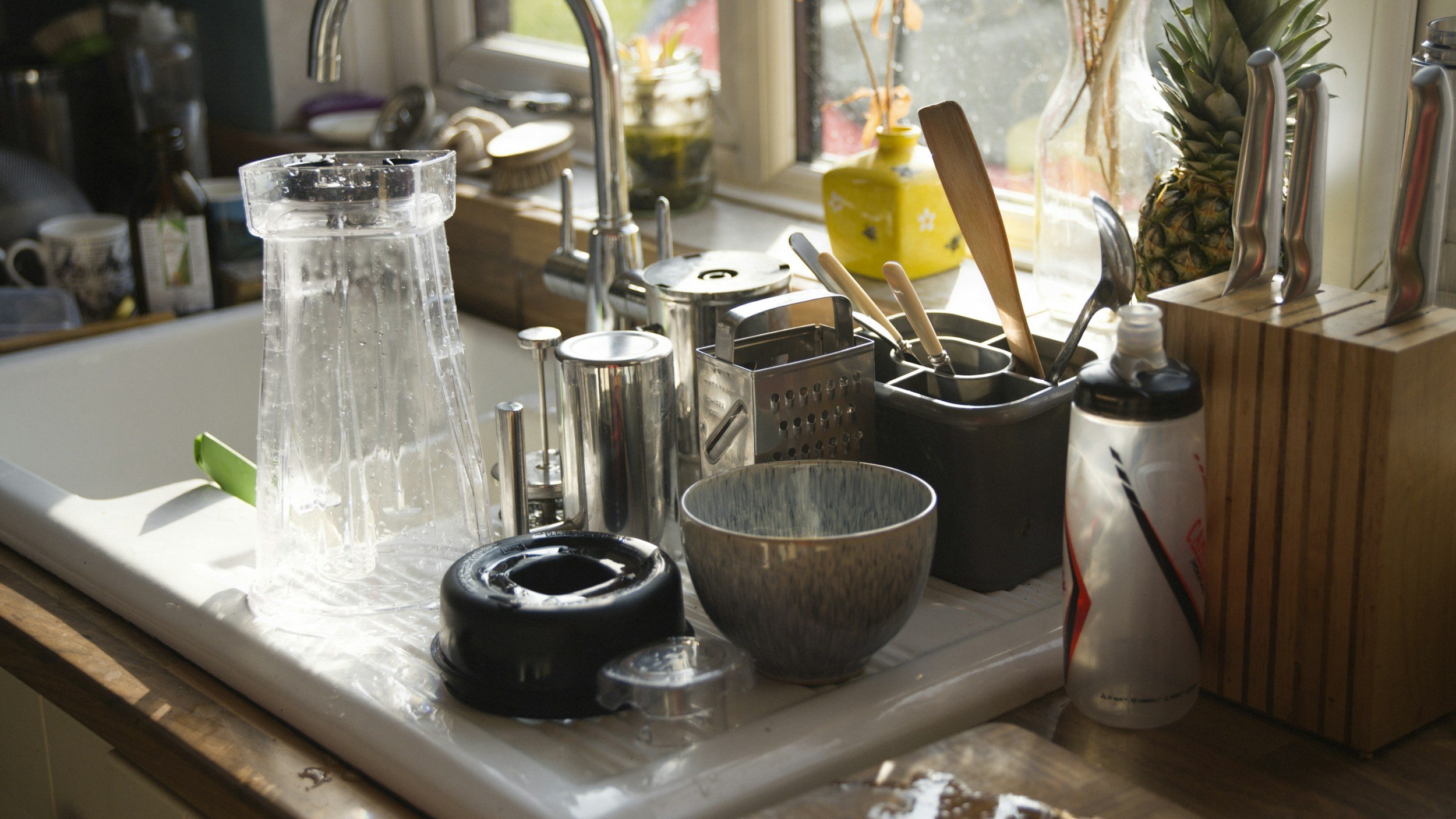
Some people feel calmer cleaning as they cook.
Others find that doing too much at once feels overwhelming. Both are valid.
Rather than aiming for a spotless kitchen, it helps to focus on safety first. Wiping up spills on the floor reduces the risk of slipping. Being careful with oily pans, food left on hot hobs, and crumbs building up in the toaster can also prevent accidents.
A kitchen that is clean enough is a safe kitchen.
It does not need to look perfect to do its job.
On low-energy or overwhelmed days
If you feel tired, anxious, or overloaded, choose safer options:
microwave meals
air fryers
toast
soup
wraps, yoghurt, or no-cook foods
Safety always comes first.
Cooking does not need to be a challenge every day.
Reflective moment
If kitchens make you feel nervous or unsure, you are not alone.
Many care-experienced young people grew up without a stable cooking environment. Some associate kitchens with stress rather than safety.
Learning these skills now does not mean you are behind.
It means you are building something new.
You are allowed to:
learn slowly
feel unsure
make mistakes
Each time you cook safely - even something small - you are proving to yourself that you can do this. And one day, it might even become something you enjoy.
lasting thoughts
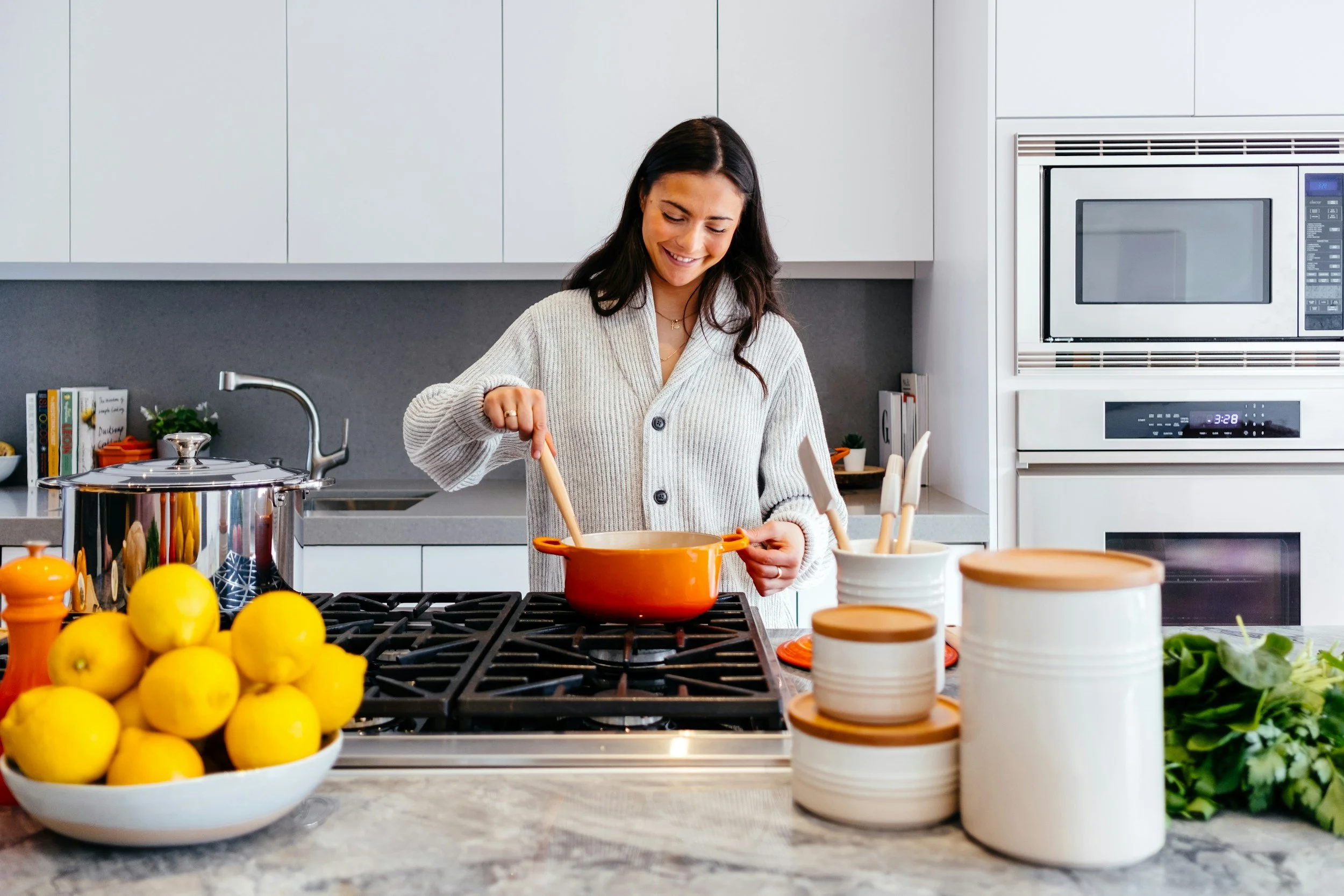
Kitchen safety is not about perfection.
It is about feeling calm, confident, and in control.
With a few simple habits and awareness of your surroundings, your kitchen can become a safer, steadier place to cook, eat, and look after yourself.
Come back to this guide whenever you need reassurance.