
Dealing with Loneliness
Loneliness is one of those feelings that can sneak up on you. You can be surrounded by people and still feel alone. You can have a busy life and still feel like no one really sees you.
If you grew up with sudden changes, unstable relationships, or adults who checked out when you needed them most, loneliness can feel strangely familiar, like something your body recognises even when your mind can’t fully explain why.
Feeling lonely does not mean you are failing at life.
It does not mean you are unlovable.
It means you are human, and your brain is looking for connection and safety.
This guide explores what loneliness really is, why it can hit so hard, and what gentle steps can help you feel more connected again.
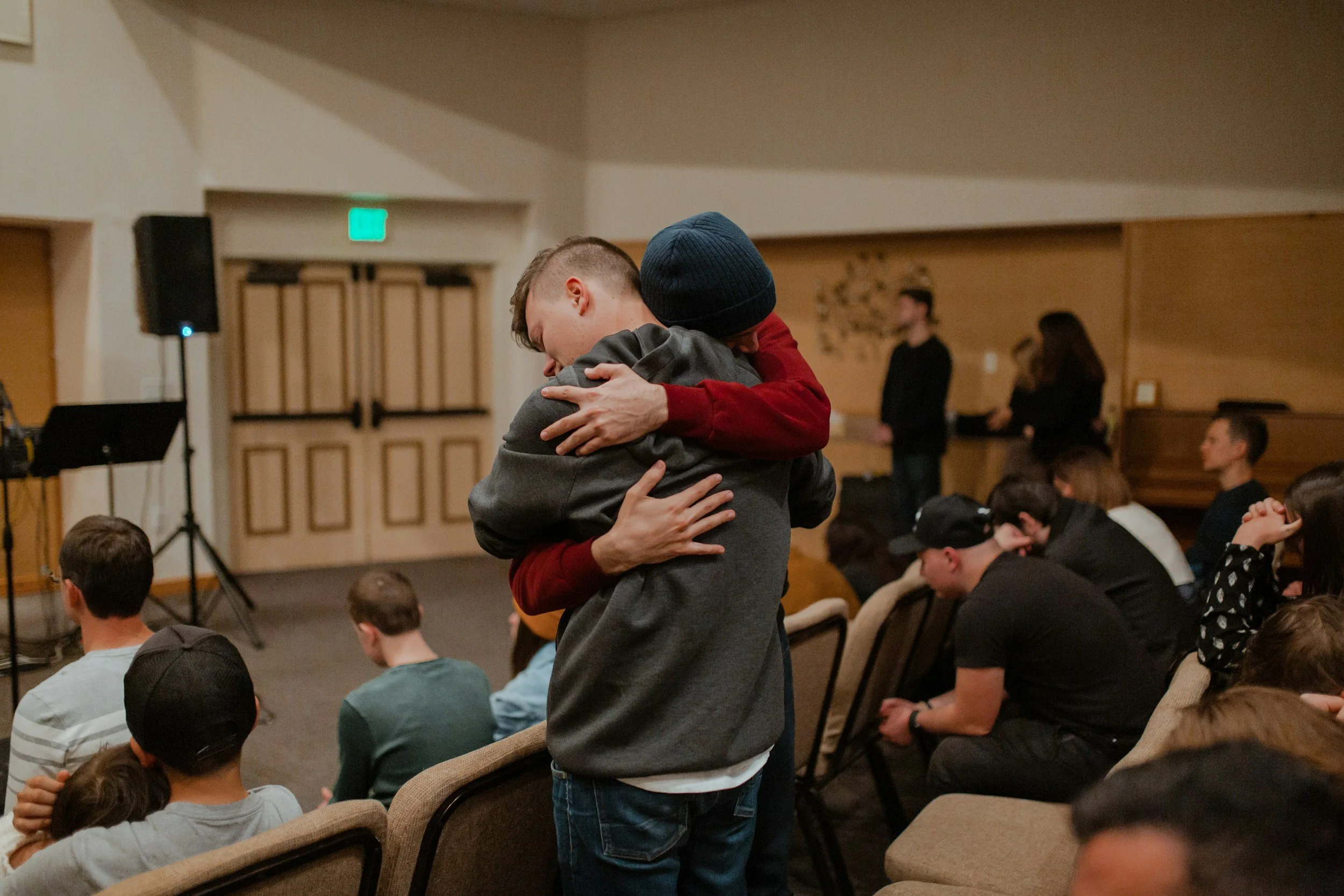
What loneliness actually is
Loneliness is not the same as being alone. It is emotional isolation, not physical isolation. It is the feeling that you’re handling everything by yourself, even when people are technically around.
Loneliness can sound like thoughts such as:
“No one really understands me”
“People wouldn’t notice if I disappeared”
“I feel separate from the world”
“I want connection but don’t know how to reach for it”
Those thoughts can feel heavy, but they are also very common. They don’t mean you’re broken. They mean a part of you is craving closeness, comfort, and belonging.
Why loneliness can feel especially heavy for care-experienced people
If you have lived in different placements, unsafe homes, or environments where adults weren’t reliable, your brain may have learned early that relationships can change suddenly and that relying on people can be risky.
So when loneliness shows up, it can hit in two layers.
There’s the loneliness you feel now, in the present.
…And then there’s the echo of every moment in the past where you felt alone but had to cope anyway.
That extra weight is not your fault. It is a normal response to abnormal experiences.
How loneliness may show up

Loneliness doesn’t always look like sitting alone in a room.
Sometimes it looks like scrolling for hours but feeling emptier afterwards. Sometimes it looks like wanting to reach out, then deleting the message. Sometimes it looks like pulling away even though you want connection, because being close to people feels confusing or risky.
You might notice:
Feeling invisible, even in groups
Wanting company but worrying you’re bothering people
Feeling like an outsider when others seem to connect easily
Isolating yourself, then feeling worse for it
None of these mean you’re weak. They often mean you’re protecting yourself the best way you know how.
The nervous system part (why it feels so intense)
When you feel alone, your body can go into protection mode. It might make you tired, quiet, numb, or overthink everything. It can make the world feel pointless, or make it feel like connection is impossible.
This is your nervous system saying, “Connection feels risky. Let’s stay safe.”
It’s trying to protect you, even if the way it protects you doesn’t feel good.
Gentle ways to deal with loneliness

These aren’t quick fixes, and they’re not meant to be. They’re small, steady steps that help your system reconnect at a pace that feels safe.
Click on each point below for more detail:
-
You don’t need a big circle. Sometimes one steady person helps settle everything. That might be a friend, a trusted adult, a support worker, a mentor, or someone you talk to online who feels respectful and safe.
If you have one person you can message, even occasionally, that counts.
-
If a big message feels too much, go smaller. Connection can be real without being intense. You could send a meme, reply to a story, react to a message, or send something simple like “thinking of you”.
You’re not being needy. You’re being human.
-
Loneliness can grow when you’re in the same space for too long. If leaving the house feels hard, keep it gentle. Open a window. Sit outside for a few minutes. Take a short walk. Sit in a café or library with headphones in.
You don’t have to talk to anyone. Sometimes being around life is enough to soften the intensity.
-
When loneliness is loud, it can help to do something that brings you back into your body. A warm shower, stretching, tidying one small area, making a hot drink, listening to calm music, writing a few thoughts down.
These aren’t meant to “fix” the feeling. They’re meant to help your nervous system settle enough to breathe again.
-
If you want to build connection over time, look for spaces where you can arrive quietly. Youth groups, hobby groups, sports clubs, care leaver groups, college or uni societies, online communities that are moderated and respectful.
You don’t have to perform to belong. You’re allowed to be quiet at first.
-
Loneliness often brings shame. Thoughts like “I shouldn’t feel like this” or “everyone else is fine” can make the loneliness sharper.
If you can, try replacing those with:
“It makes sense I feel this way.”
“I’m allowed to need connection.”
“I’m not the only one who feels like this.”
You are not alone in your loneliness.
-
If loneliness starts turning into hopelessness, feeling worthless, withdrawing completely, not being able to get out of bed, or thoughts of harm, you deserve real support.
Support is available through:
Samaritans - 116 123 (free)
Shout (text support)- text SHOUT to 8525
The Mix (for under 25s) - text THEMIX to 85258
Mind - 0300 102 1234 (free)
Your PA or support worker
A mentor or trusted adult
Counselling or Support Services
If reaching out feels impossible today
If the idea of messaging someone feels too much right now, that doesn’t mean you don’t want connection. It often means you’re exhausted, scared of being rejected, or you’ve learned not to need too much from people.
On days like this, try one tiny step that still counts as connection, without direct conversation.
You could sit somewhere you feel safe and where other people exist, like a café, library, or even near a window where you can see the world outside. You could put on a familiar show, a comforting podcast, or music that helps you feel less alone. You could write one honest sentence in your notes app, even if nobody sees it.
You’re not failing. You’re coping.
…And coping is allowed.
Reflective moment
Loneliness does not mean you are failing at being human. It means you are craving connection, care, and belonging. That is one of the most human things in the world.
Sometimes the hardest part of loneliness is believing you are worth connecting with.
You are.
You always have been.
Closing thoughts

Loneliness is not a permanent state. It’s a moment, a chapter, a part of your story that can change as new people, new spaces, and new experiences enter your life.
You deserve relationships where you feel seen, connection that feels steady and you deserve a life where you don’t have to carry everything on your own.
Step by step, connection grows.
It absolutely can and will grow for you.